10 Feb 2026
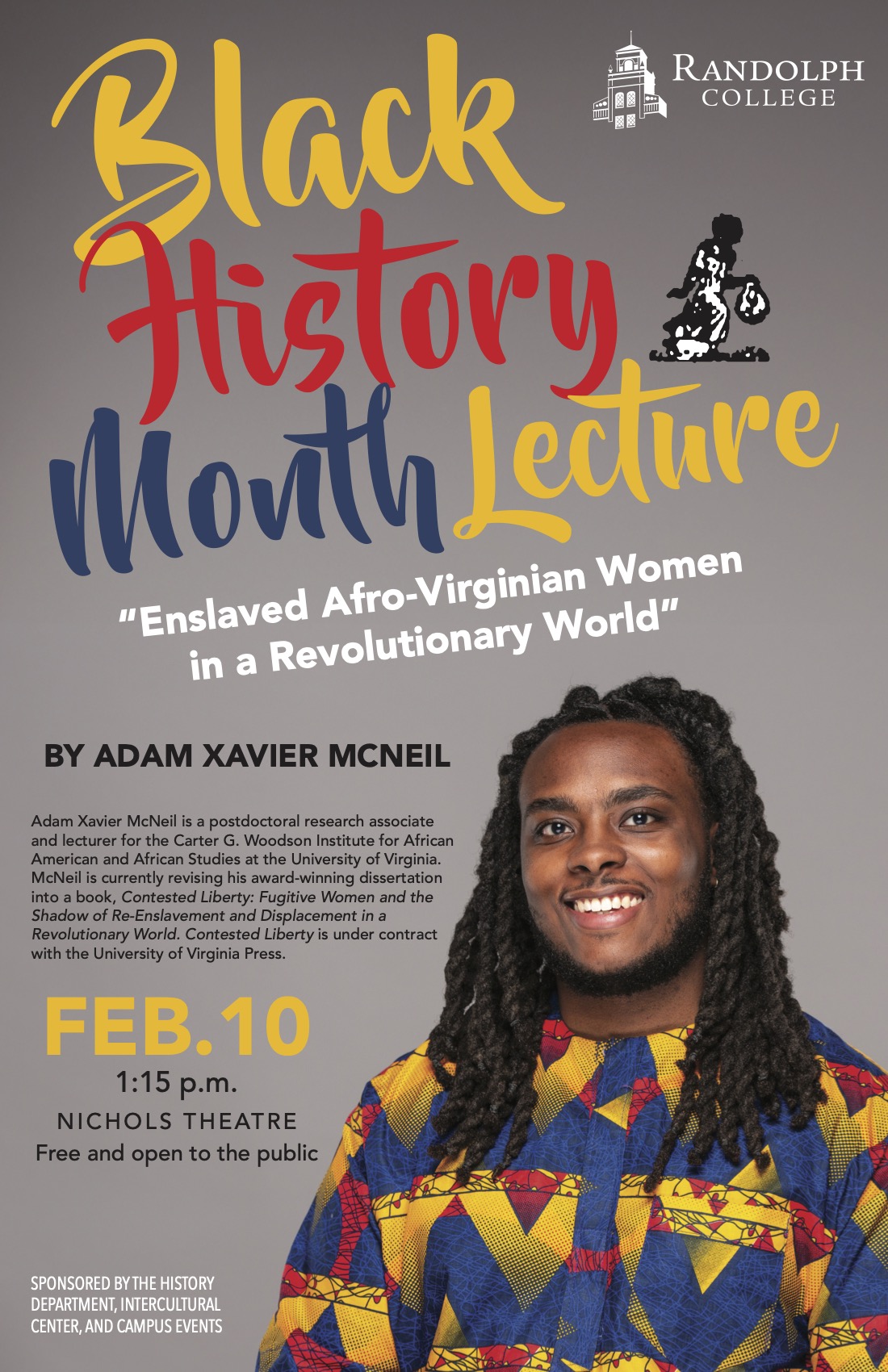
As part of my African American history class, I invited Dr. Adam McNeil to give a public lecture on his work about enslaved Afro-Virginian women during the Revolutionary War. It was a wonderful lecture and an honor to host him at Randolph. Special thanks to support from Randolph’s Campus Events Committee and the Intercultural Center for supporting the event.Here’s my introduction to Dr. McNeil’s talk:
_One hundred years ago – to the day – Americans were in the midst of celebrating the very first Black History Month, or as it was known then, “Negro History Week.” Designed by historian Dr. Carter G. Woodson, Negro History Week was created to help remedy the systematic erasure of Black Americans from American history. Dr. Woodson did not envision Negro History Week as the only time people should learn about Black history. Instead, he imagined it as an opportunity for schools to demonstrate what students had learned all year–it was a call for intentional remembering.
As Woodson envisioned it, Negro History Week was not an exercise in memorization or a box to be checked. He understood that how we remember the past has profound implications for the present. After all, 1926 was the height of Jim Crow segregation. Membership in the Ku Klux Klan was at an all-time high. Lynchings remained prevalent. Nativist and anti-immigrant rhetoric saturated public discourse. In Virginia, the General Assembly was passing racial integrity laws that banned interracial marriage, enforced the so-called “one-drop rule,” and mandated segregation in public spaces.
Dr. Woodson knew what he was doing when he created Negro History Week. He believed that knowing the truth could tear down the walls of segregation, hatred, racism, and white supremacy. “There would be no lynching if it did not start in the schoolroom,” Woodson declared.
Fifty years later, in 1976, Negro History Week evolved into Black History Month. And of course, 1976 was also the bicentennial, the year that Americans celebrated the 200th anniversary of the Declaration of Independence. So at precisely the moment Americans were asking themselves, “What is America? Who is American? And what does “liberty and justice for all” really mean?” At that moment, Woodson’s intellectual descendants were pushing to recommit the nation to remembering Black history.
This collision – of both the intentional remembering of Black history and the nation – is here with us today, too. 2026 is, after all, the 250th anniversary of the Declaration. And we are once again living in a time when the history of the Revolution and the founding era is being debated. Just weeks ago in Philadelphia, the National Park Service removed signage addressing the history of enslaved people held at the President’s House where George Washington lived while serving as the first President of the United States. History is never just about the past.
And so, in this 250th anniversary year of the Declaration of Independence and the 100th anniversary year of Black History Month, we have not just the opportunity but a duty to examine the experiences of Black Americans during the American Revolution. That is what makes today’s conversation so timely—and why I’m so excited to welcome our speaker today, a leading young scholar of African American history and the Revolution.
Adam Xavier McNeil is a Postdoctoral Research Associate and Lecturer in the Carter G. Woodson Institute for African American and African Studies at the University of Virginia. Dr. McNeil is currently revising his award-winning dissertation into a book, Contested Liberty: Fugitive Women and the Shadow of Re-Enslavement and Displacement in a Revolutionary World. Contested Liberty is under contract with the University of Virginia Press.
Please join me in giving a Wildcat Welcome to Dr. Adam McNeil._
10 Dec 2025
This fall I was nominated in the Rising Star category for the 2026 State Council of Higher Education for Virginia’s Outstanding Faculty Awards! As part of the nomination process, I had to solicit letters from supervisors, colleagues, students, and community leaders. Several letter-writers graciously shared their letters with me. What a treat! Regardless of whether I’m selected or not, I appreciate having a stash of letters I can turn to next time I’m feeling blue.
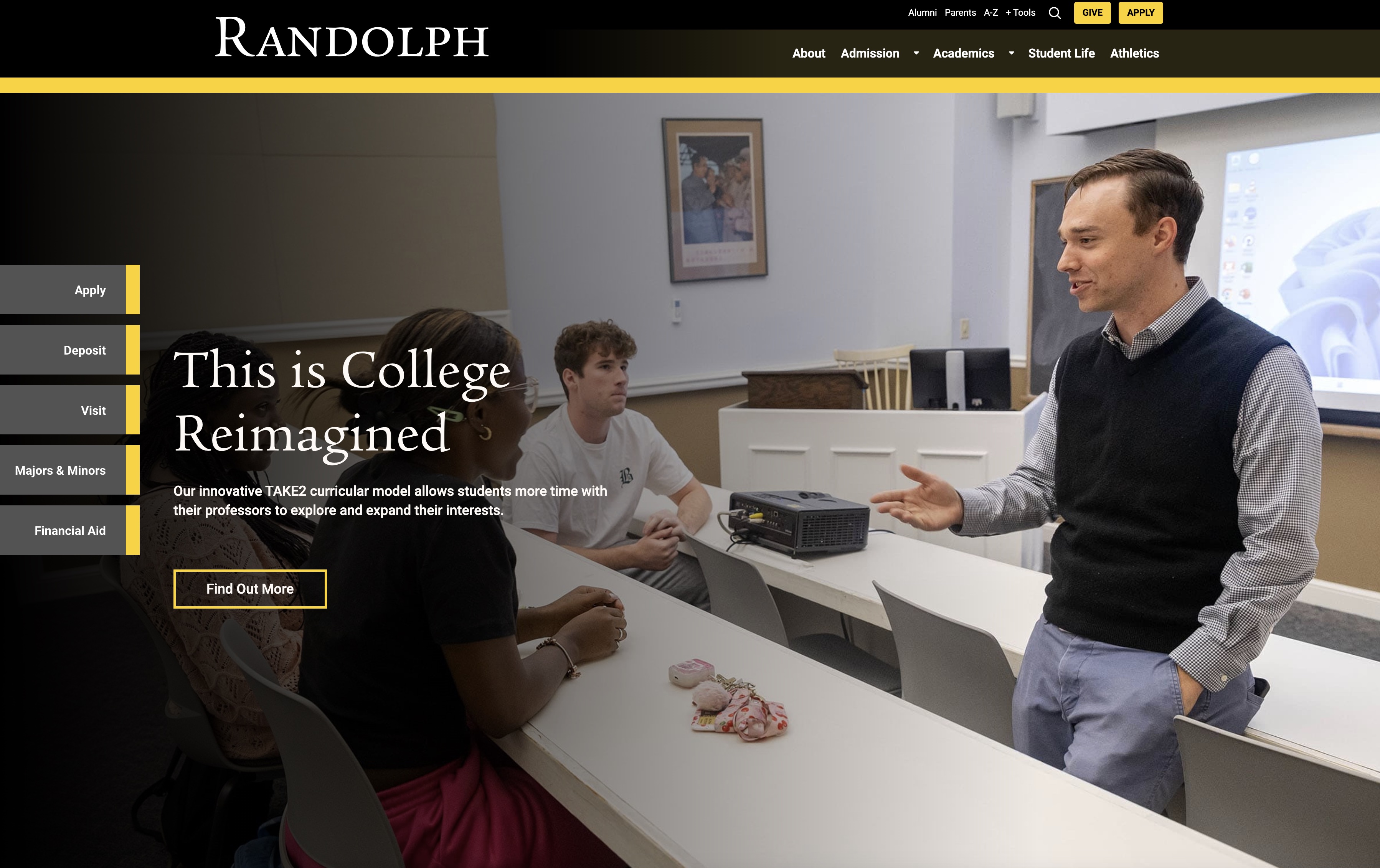
A few months earlier, the image below appeared on the college’s homepage. I was hoping my 15 minutes of fame would be a little cooler, but you take what you can get, I guess!
12 Oct 2025
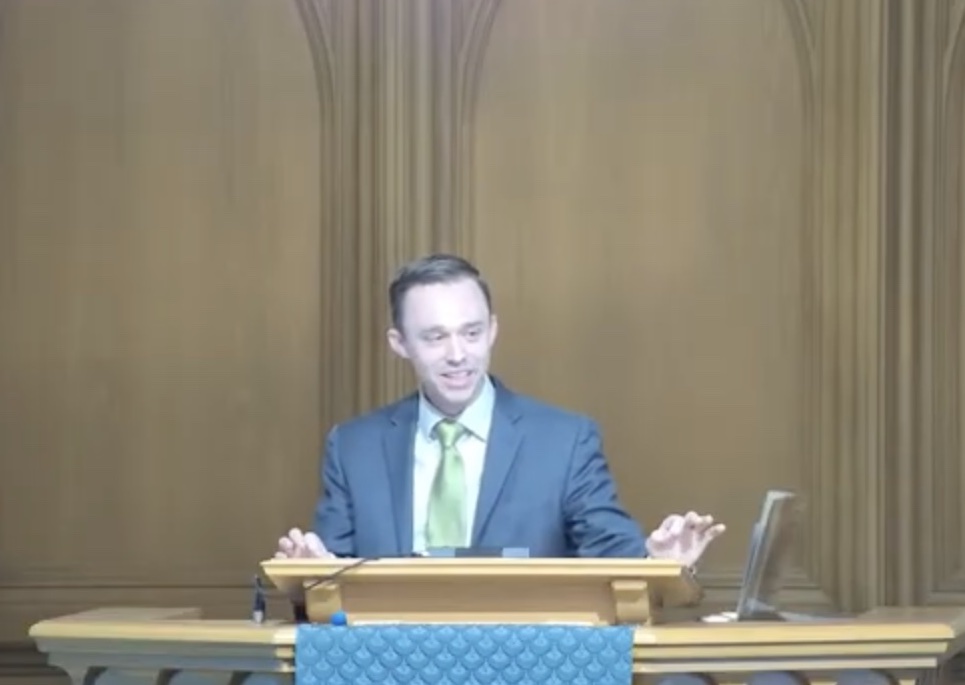
A few months ago, I was asked to preach at First Christian Church in Lynchburg, Virginia. My text was Jeremiah 2. Weaving tales of my grandmother, the Kingdom of Judah, and Lynchburg’s most famous civil rights sit-in, I argued for the importance of telling our love stories, even in hard times. You can listen to a recording of my sermon on YouTube.
The civil rights portion of my talk grew out of my earlier work preparing a co-lecture for Randolph’s first year experience program, Life More Abundant.
10 Oct 2025
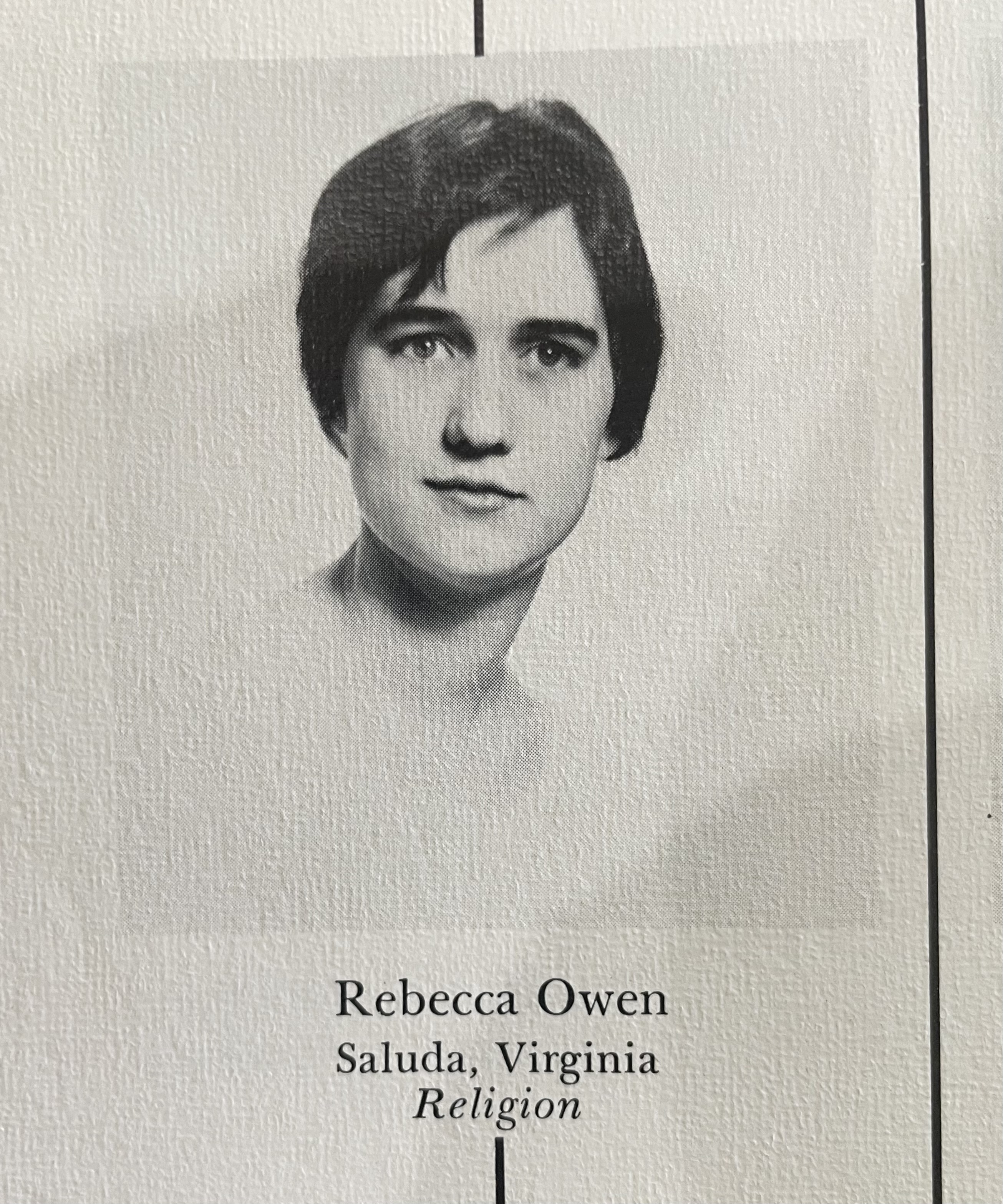
I first heard about Randolph-Macon Woman’s College through a book I read in grad school, Journeys that Opened Up the World by historian Sara Evans. The book is a series of memoirs by sixteen women who were involved in the Student Christian Movement who later became activists in the civil rights movement, anti-war campaign, and the feminist movement. I found the book personally meaningful because several activists had been part of the United Methodist Church’s young adult service program – the same program that I joined after college (and where I met my spouse). One of the memoirs was written by Rebecca Owen, one of the leaders of the civil rights movement in Lynchburg and a student at Randolph-Macon Woman’s College. I paid special attention to Becky’s memoir in particular because she, like me, had grown up Methodist, became a leader in the denomination, and saw her activism as an outgrowth of her faith.
When I first applied for a job at Randolph, I decided to do my teaching demonstration on the sit-in movement. Though I didn’t talk about Becky Owen or the other members of the Patterson Six, I did reference their story at the end of my demonstration – in part to help make my point that the Civil Rights Movement was a grassroots movement.
After arriving at Randolph, I have continued to be fascinated by Becky’s story, assigning her memoir in my American Women’s History course and searching out any other material I can find on her.
This summer, I finally had the opportunity to sort through some of that research and put together a talk before Randolph’s first-year class (the largest in the college’s 130+ year history). The lecture was a co-lecture with my esteemed colleague, Dr. Amy Cohen of Classics and Theatre, where we wove Becky’s story with that of Antigone, the Greek play for this year.
The lecture went off really well. Though collaboratively creating anything can be more difficult, it can also be more fun – and I think our final product was both creative and compelling.
One story that I discovered while doing the research is that Becky attended a Student Christian Movement conference in the fall of 1960, right before the start of her senior year. She met Black activists who had pioneered the sit-in movement such as Rev. James Lawson, the young minister who taught John Lewis and others how to get in “good trouble.” “The imperative of the Denver conference was unambiguous,” Becky recalled in her memoir. “If you, Becky Owen, are serious about Christianity and injustice, get the hell back to Lynchburg and do something.” Upon returning to R-MWC, Becky reached out to Rev. Virgil Wood, pastor of Diamond Hill Baptist, and with the help of the YWCA they began organizing discussion groups that brought together college students and Black community leaders. A couple months later, six college students who’d been involved in the discussion groups headed to Patterson’s Drug Store in downtown Lynchburg…
If you want to hear the rest of the story, I gave a version of this talk the following Sunday at First Christian Church.
29 Sep 2025
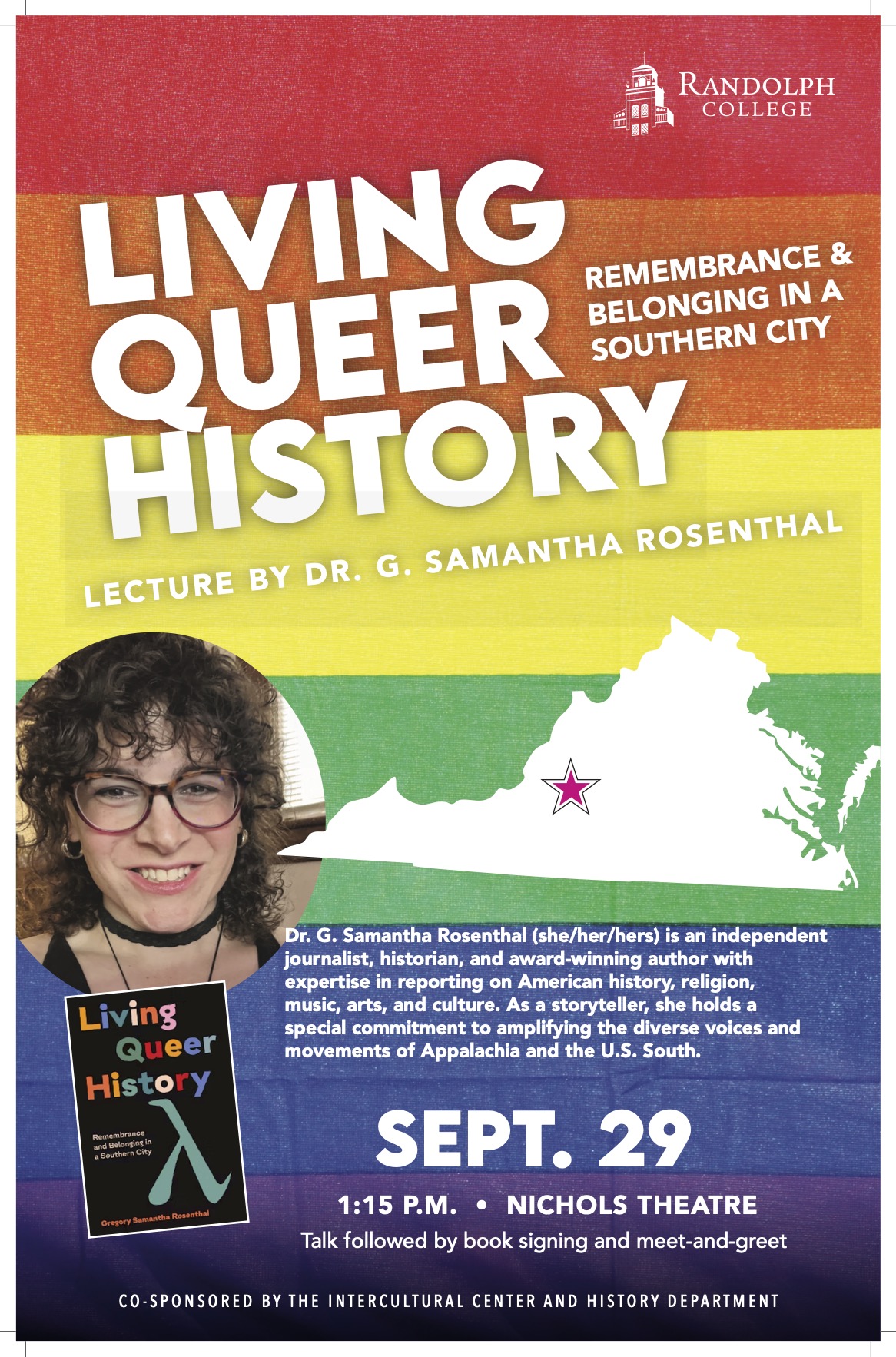
This fall I taught Queer American History. Every student in the class wanted to be there, wanted to do the readings, wanted to talk about what they were learning – it created a pretty magical learning environment!
One of the high points was a guest lecture by Dr. Samantha Rosenthal. With the help of the History Department and the Intercultural Center, I invited Dr. Samantha Rosenthal to join us on campus to talk about her book, Living Queer History: Remembrance and Belonging in a Southern City, published by UNC Press in 2021. The talk was wonderful – several students wrote in their senior capstones that they found it inspirational. Follow her substack if you’re not already!
One of the greatest treats as a teacher is when students decide they want to do their senior capstone on something pertaining to what they learned in your class. This year, two of the seniors in my class told me they’re now planning to write on queer history! One is even using the oral histories and digitized archive created by the Southwest Virginia LGBTQ+ History Project that Dr. Rosenthal helped lead.
Huge thanks to Dr. Rosenthal and to Kathleen, David, and Gail who helped make this course so special!
15 Jun 2025
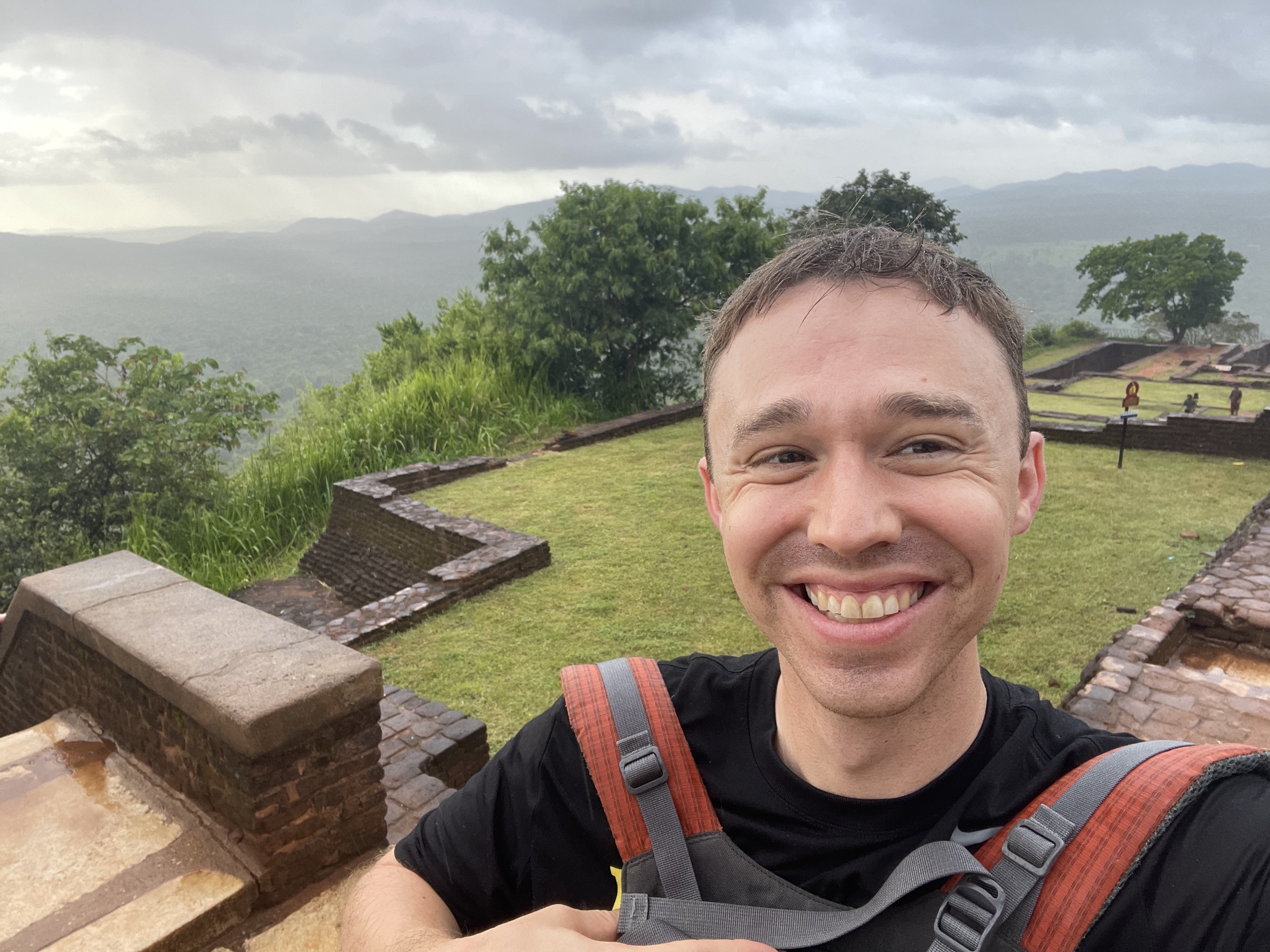
As I mentioned in my last post, this summer I had the tremendous opportunity to travel to Sri Lanka as part of the Quillian International Scholar Study Abroad Seminar. We spent nearly two weeks there, and it was an unforgettable journey.
Some highlights for me included:
24 Apr 2025
Who gets to play—and who decides?
These two questions are at the heart of ongoing debates about women’s athletics, from the Olympics all the way to college campuses like Randolph.
Fortunately, for those who want to think critically about these questions, we have one of the foremost scholarly authorities right here in Lynchburg.
I was reminded of this last summer while listening to the podcast Tested, produced by the CBC and NPR, in the lead up to the Summer Olympics in Paris. While listening, I heard a familiar voice – that of Dr. Lindsay Parks Pieper.
I found this very exciting because I knew Dr. Pieper personally – we’d met playing pickleball. She’s tall and a former college athlete… so I’ll casually avoid telling you who usually won.
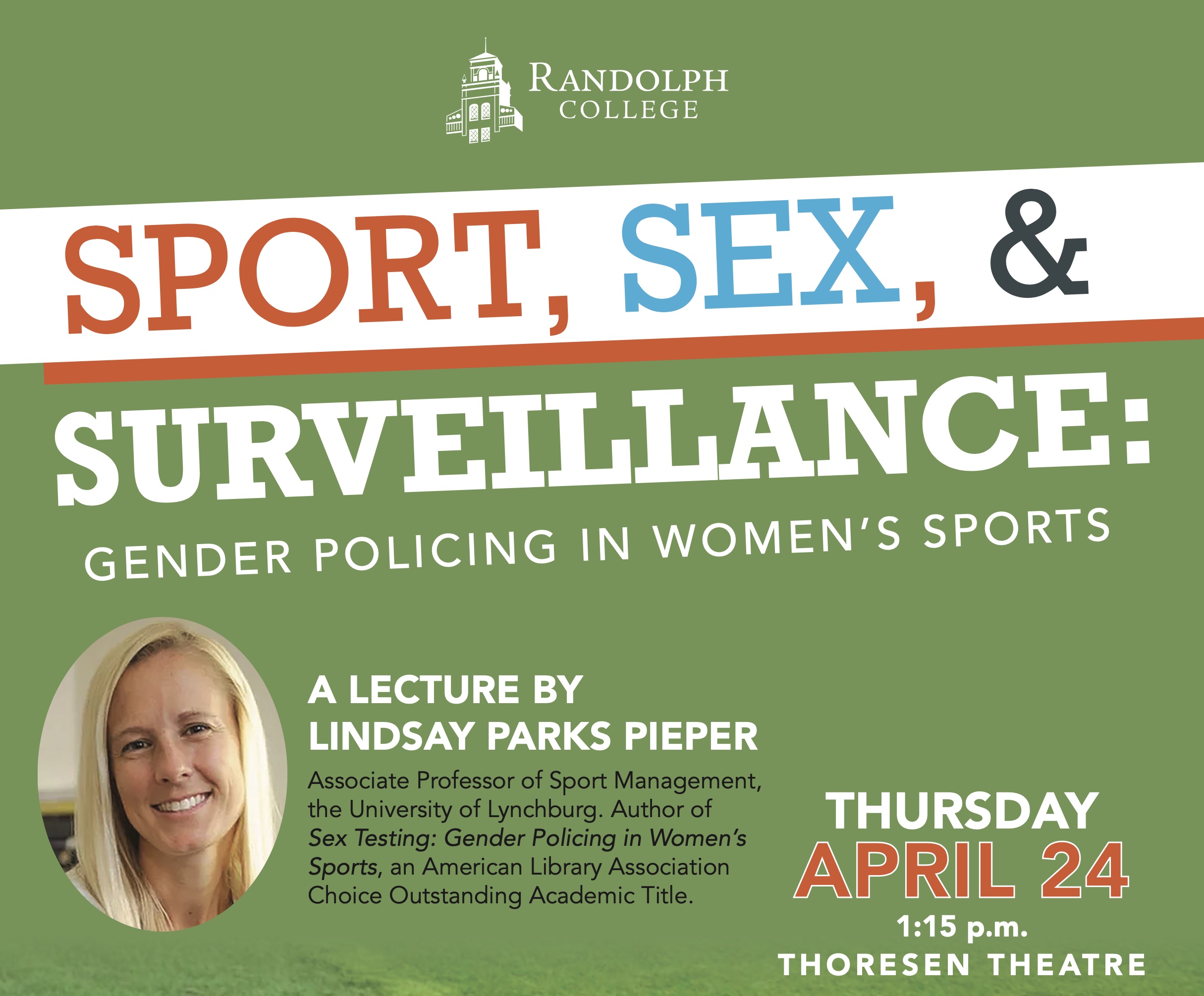
As I listened, I became increasingly convinced that we needed to invite Dr. Pieper to campus. I initially invited her to speak with my American Women’s History class, but word spread—and her visit turned into a campus-wide event. In the end, about 75 Wildcats showed up for her talk.
Lindsay Pieper is the Associate Professor of Health Sciences & Human Performance and the Chair of the Sport Management Department at the University of Lynchburg. She graduated with her BA from Virginia Tech and later received her Masters and Doctorate from The Ohio State University.
Her book, Sex Testing: Gender Policing in Women’s Sport, was published by the University of Illinois Press in 2016. It won several awards including the North American Society for Sport Sociology’s Outstanding Book of the Year, the North American Society for Sport History’s Distinguished Title award, and it was listed as an Outstanding Academic Title by the American Library Association.
Her talk, “Sport, Sex, and Surveillance: Gender Policing in Women’s Sports,” was timely, thought-provoking, and a resounding success.
08 Aug 2024
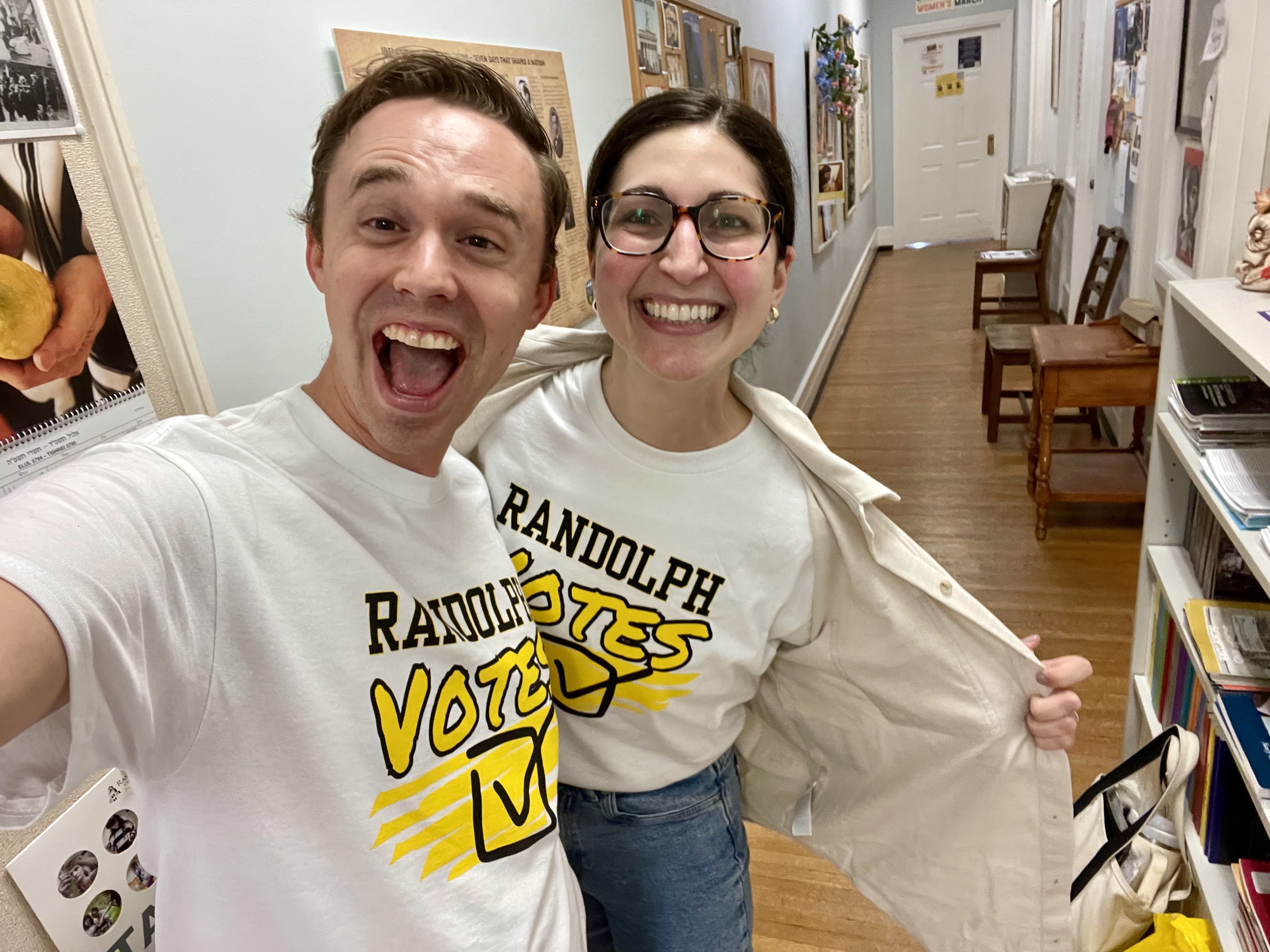
This fall I spearheaded and served as the de facto chair of the nonpartisan #RandolphVotes initiative. Our aim was to boost voter participation and foster civil discourse on campus during the 2024 Presidential election. #RandolphVotes ensured Randolph College fulfilled its obligation under section 487(a)(23) of the Higher Education Act to make a “good faith effort” to distribute voter registration forms to their students.
As part of our initiative, promoted voter registration, organized transportation ot the polls, hosting voter education events, and promoted voter information on our Instagram and TikTok.
In a democracy, civic engagement is essential. Electoral politics shape the well-being of our communities. As I said in this interview, “participating in the democratic process is a vital way to maintain Randolph’s mission to engage the world, live honorably, and experience life abundantly.”
Feel free to check out our step-by-step voter registration guide.
25 Jan 2024
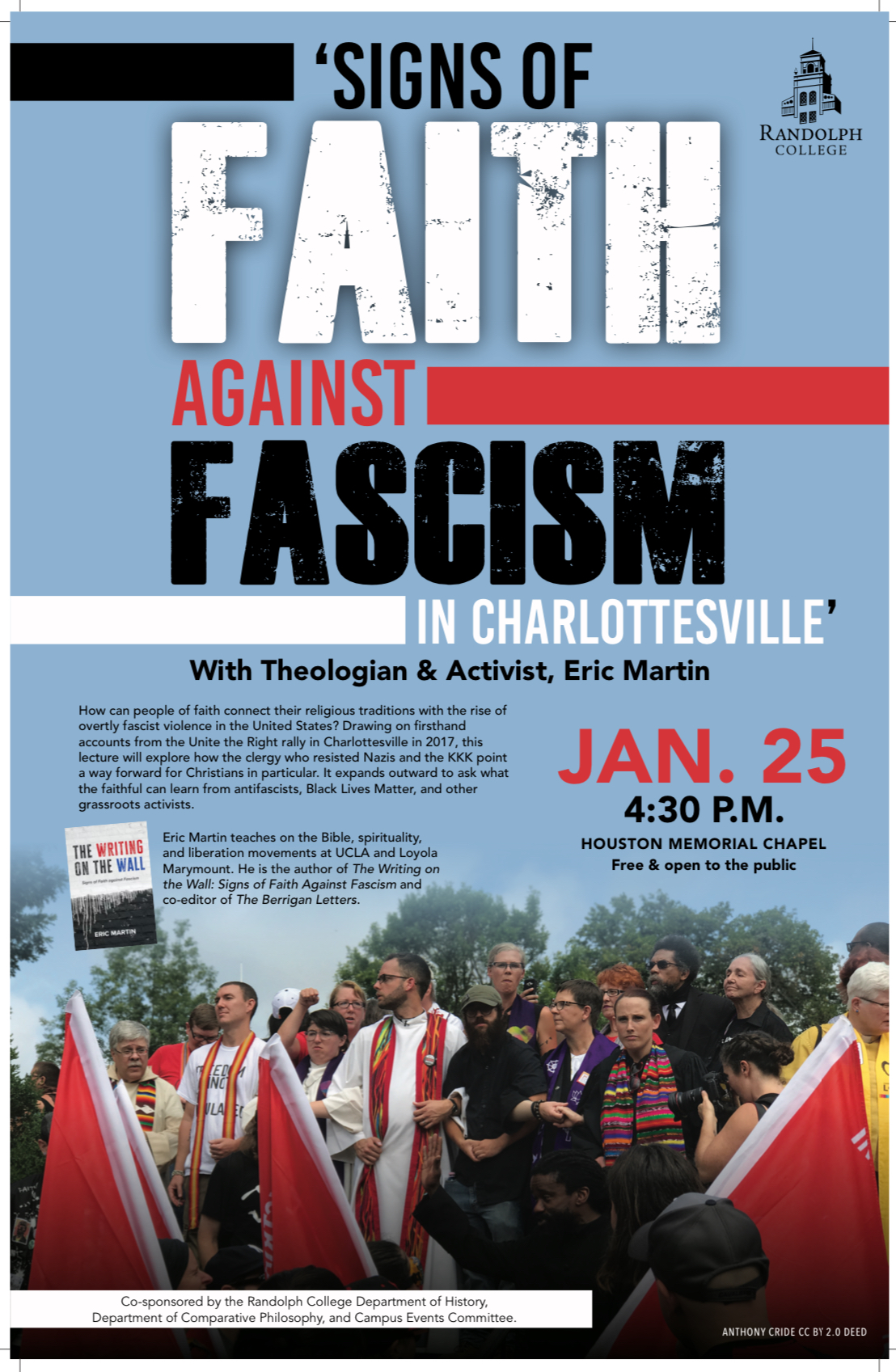
This week, I had the pleasure of hosting my dear friend, Eric Martin, as he talked about some of the ideas in his new book about religious responses the Unite the Right Rally in Charllotesville in 2017. The event went exceedingly well, and I encourage all of you to buy The Writing on the Wall, published by Wipf and Stock publishers.
15 Nov 2022
In 2020, I was chosen to receive a $2,500 Research Fellowship grant from the Presbyterian Historical Society. Unfortunately, the Covid-19 pandemic delayed my trip to the archive. Thankfully, I was able to use my research funds to request digital scans that were essential for writing my dissertation. I completed my long-anticipated trip to the archive in January 2022.
This past week, I participated in a panel discussion with other grant recipients to talk about my research and the impact of the PHS fellowship. You can read an article about the event or watch a recording of the event. Perhaps most importantly, be sure to support the Presbyterian Historical Society and other libraries and archives this Giving Tuesday!