02 Apr 2026
My peer-reviewed article in Religion and American Culture: A Journal of Interpretation is out!
“Coloring Sound: Religion, Race, and Music in Radio’s Network Era” focuses on the 1930s and 1940s, when radio was at the height of its national influence – think FDR’s Fireside Chats, Orson Welles’ War of the Worlds, or the rise of crooners.
It was exceedingly difficult for racial and religious outsiders to make themselves heard on this powerful new medium. For instance, on national networks like NBC and CBS, which dominated the industry, listeners were far more likely to hear white comedians pretending to be Black (as on the hit program Amos ‘n’ Andy) than to hear Black performers themselves.
There were, however, crucial exceptions. My article reveals how Black Protestants and white Latter-day Saints used sacred music as a wedge to break into exclusive network programming lineups. Though largely sidelined by scholars, broadcasting’s so-called Sunday morning “religious ghetto” became home to network radio’s largest concentration of nonwhite performers prior to the 1950s.
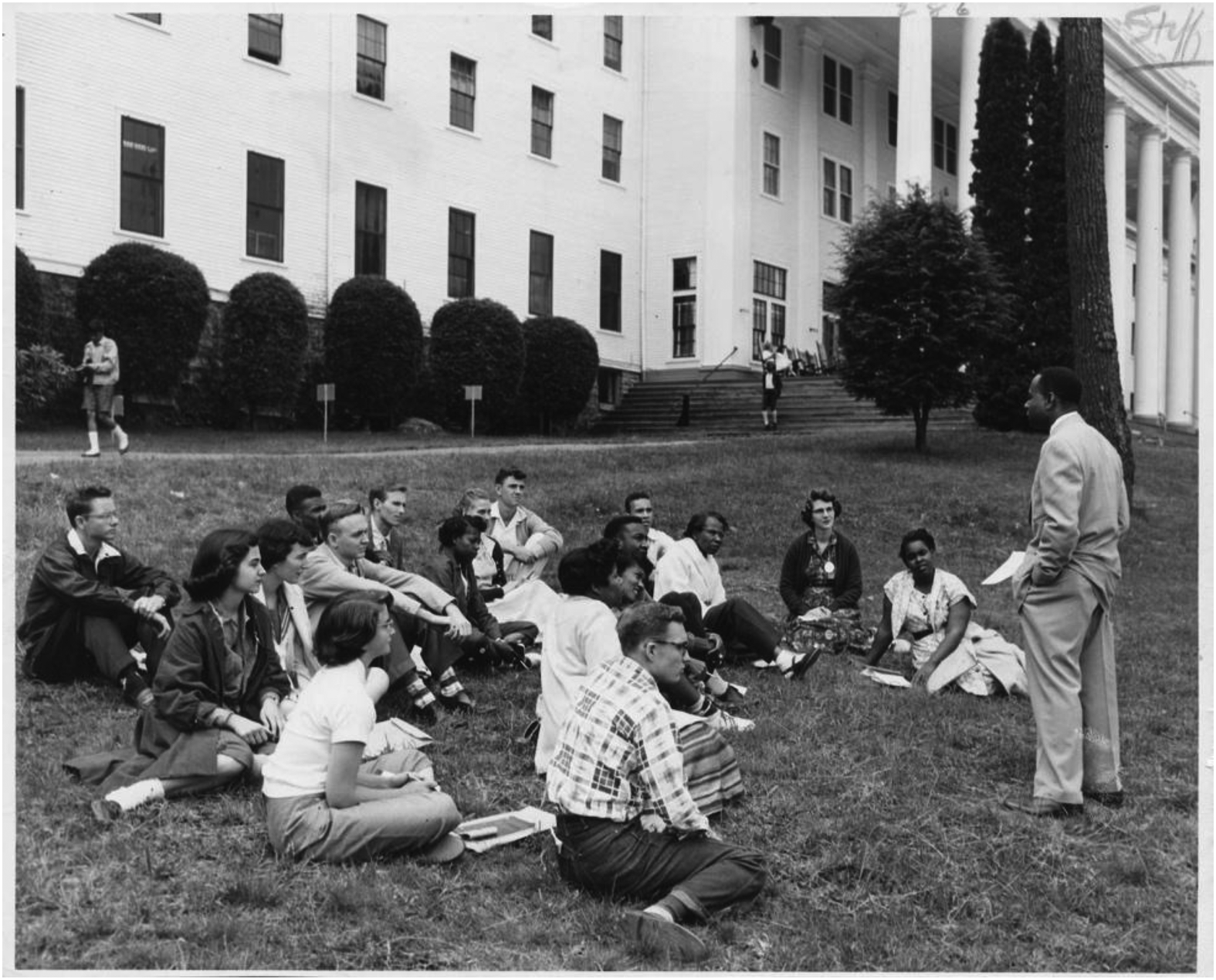
To get on the air and to stay there, groups like the Mormon Tabernacle Choir and Wings over Jordan (pictured below) had to skillfully navigate the demands of white industry executives and multiracial audiences. The result was a set of flawed yet beloved programs that both challenged and reinforced the assumed whiteness of network radio and of the nation it purported to reflect.
We often think about race and religion as something we “see.” This article suggests that these exceptional programs shaped how Americans learned to “hear” them.
Ultimately, it’s a story about the promise and peril of cultural representation for underrepresented groups.
–
For my non-academic friends: this is a big deal! Academic publishing is slow and rigorous. Articles go through layers of peer review to ensure the article is quality. Because the anonymous reviewers are overworked professors, this process can take a while. For reference, I submitted the article before P was born, and she’s almost two. And that doesn’t even count the fact that I first started thinking about this article about eight years ago while working on my dissertation proposal. I’m hoping it’s like a good crockpot meal: very slow but worth the wait!
Finally, I wrote this primarily for other professional historians but hope to write a more public-oriented version in the future. So no pressure to read the whole thing!
-
Image below: Gordon Parks, Orlando, Florida. Wings over Jordan, a popular Sunday morning radio program broadcast by Columbia Broadcasting System from station WDBO. President James A. Colston of Bethune-Cookman college speaking to a nationwide audience, February 1943. Courtesy of Library of Congress Prints and Photographs Division, https://www.loc.gov/resource/fsa.8d13672.
12 Oct 2025
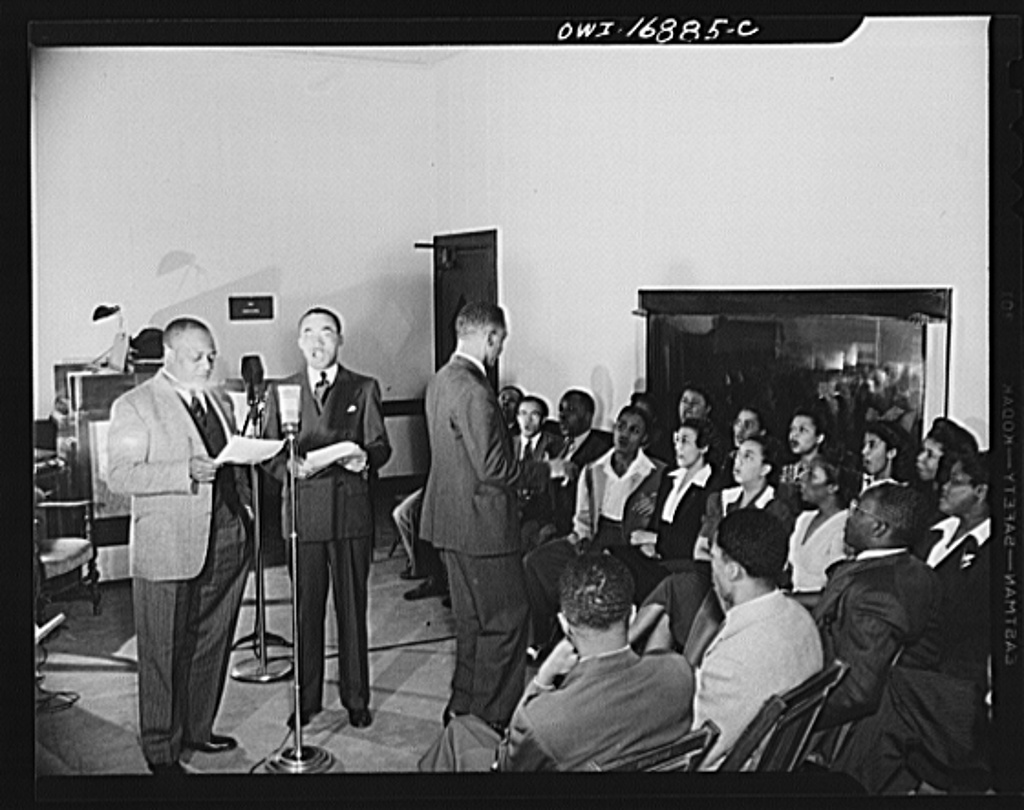
A few months ago, I was asked to preach at First Christian Church in Lynchburg, Virginia. My text was Jeremiah 2. Weaving tales of my grandmother, the Kingdom of Judah, and Lynchburg’s most famous civil rights sit-in, I argued for the importance of telling our love stories, even in hard times. You can listen to a recording of my sermon on YouTube.
The civil rights portion of my talk grew out of my earlier work preparing a co-lecture for Randolph’s first year experience program, Life More Abundant.
10 Oct 2025
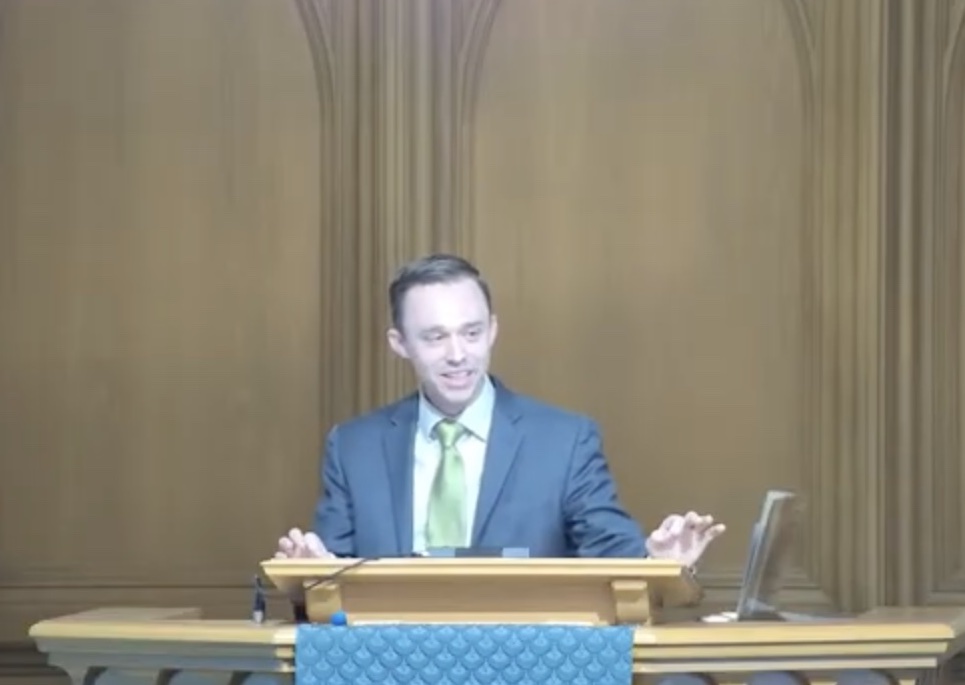
I first heard about Randolph-Macon Woman’s College through a book I read in grad school, Journeys that Opened Up the World by historian Sara Evans. The book is a series of memoirs by sixteen women who were involved in the Student Christian Movement who later became activists in the civil rights movement, anti-war campaign, and the feminist movement. I found the book personally meaningful because several activists had been part of the United Methodist Church’s young adult service program – the same program that I joined after college (and where I met my spouse). One of the memoirs was written by Rebecca Owen, one of the leaders of the civil rights movement in Lynchburg and a student at Randolph-Macon Woman’s College. I paid special attention to Becky’s memoir in particular because she, like me, had grown up Methodist, became a leader in the denomination, and saw her activism as an outgrowth of her faith.
When I first applied for a job at Randolph, I decided to do my teaching demonstration on the sit-in movement. Though I didn’t talk about Becky Owen or the other members of the Patterson Six, I did reference their story at the end of my demonstration – in part to help make my point that the Civil Rights Movement was a grassroots movement.
After arriving at Randolph, I have continued to be fascinated by Becky’s story, assigning her memoir in my American Women’s History course and searching out any other material I can find on her.
This summer, I finally had the opportunity to sort through some of that research and put together a talk before Randolph’s first-year class (the largest in the college’s 130+ year history). The lecture was a co-lecture with my esteemed colleague, Dr. Amy Cohen of Classics and Theatre, where we wove Becky’s story with that of Antigone, the Greek play for this year.
The lecture went off really well. Though collaboratively creating anything can be more difficult, it can also be more fun – and I think our final product was both creative and compelling.
One story that I discovered while doing the research is that Becky attended a Student Christian Movement conference in the fall of 1960, right before the start of her senior year. She met Black activists who had pioneered the sit-in movement such as Rev. James Lawson, the young minister who taught John Lewis and others how to get in “good trouble.” “The imperative of the Denver conference was unambiguous,” Becky recalled in her memoir. “If you, Becky Owen, are serious about Christianity and injustice, get the hell back to Lynchburg and do something.” Upon returning to R-MWC, Becky reached out to Rev. Virgil Wood, pastor of Diamond Hill Baptist, and with the help of the YWCA they began organizing discussion groups that brought together college students and Black community leaders. A couple months later, six college students who’d been involved in the discussion groups headed to Patterson’s Drug Store in downtown Lynchburg…
If you want to hear the rest of the story, I gave a version of this talk the following Sunday at First Christian Church.
16 Feb 2025
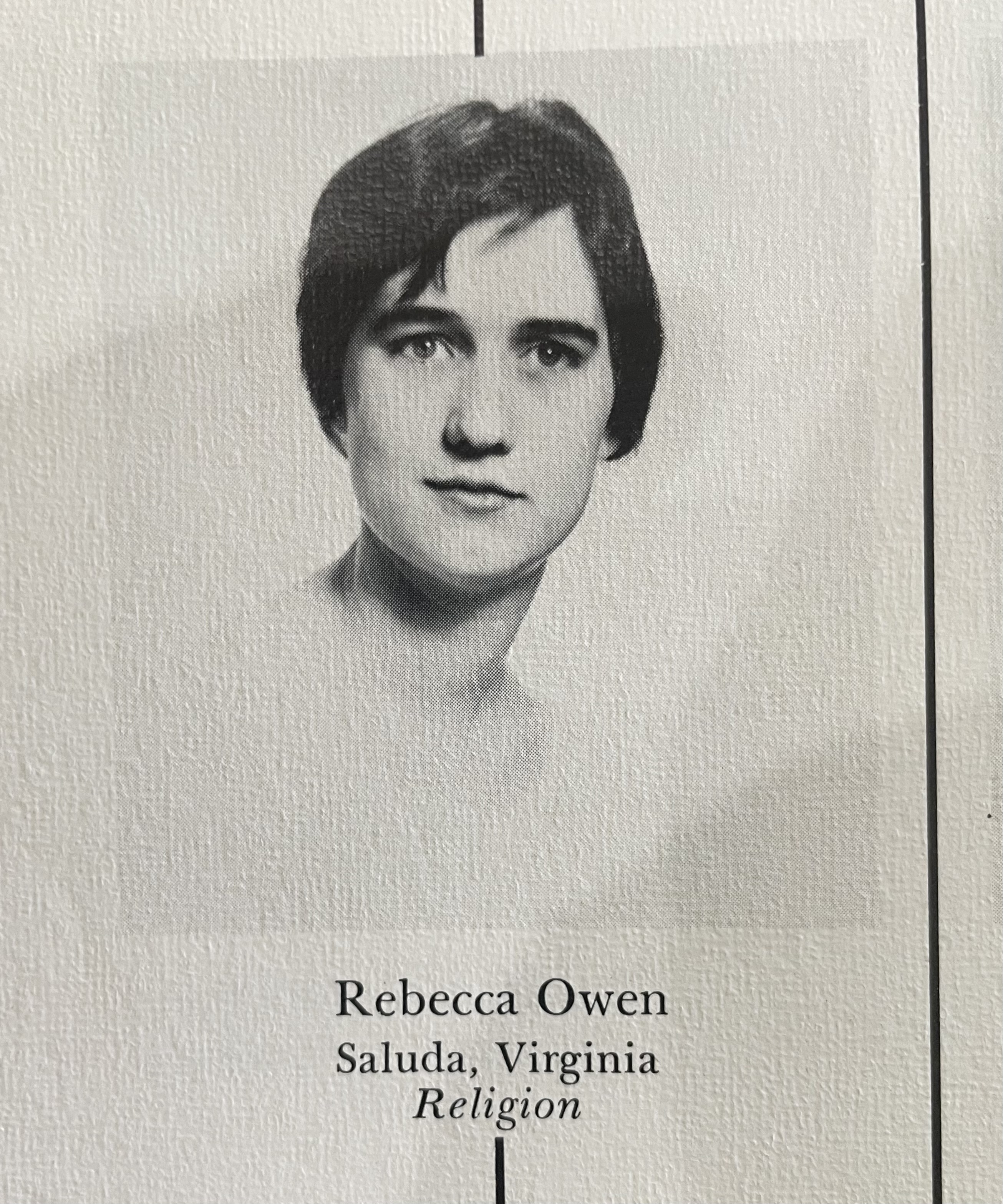
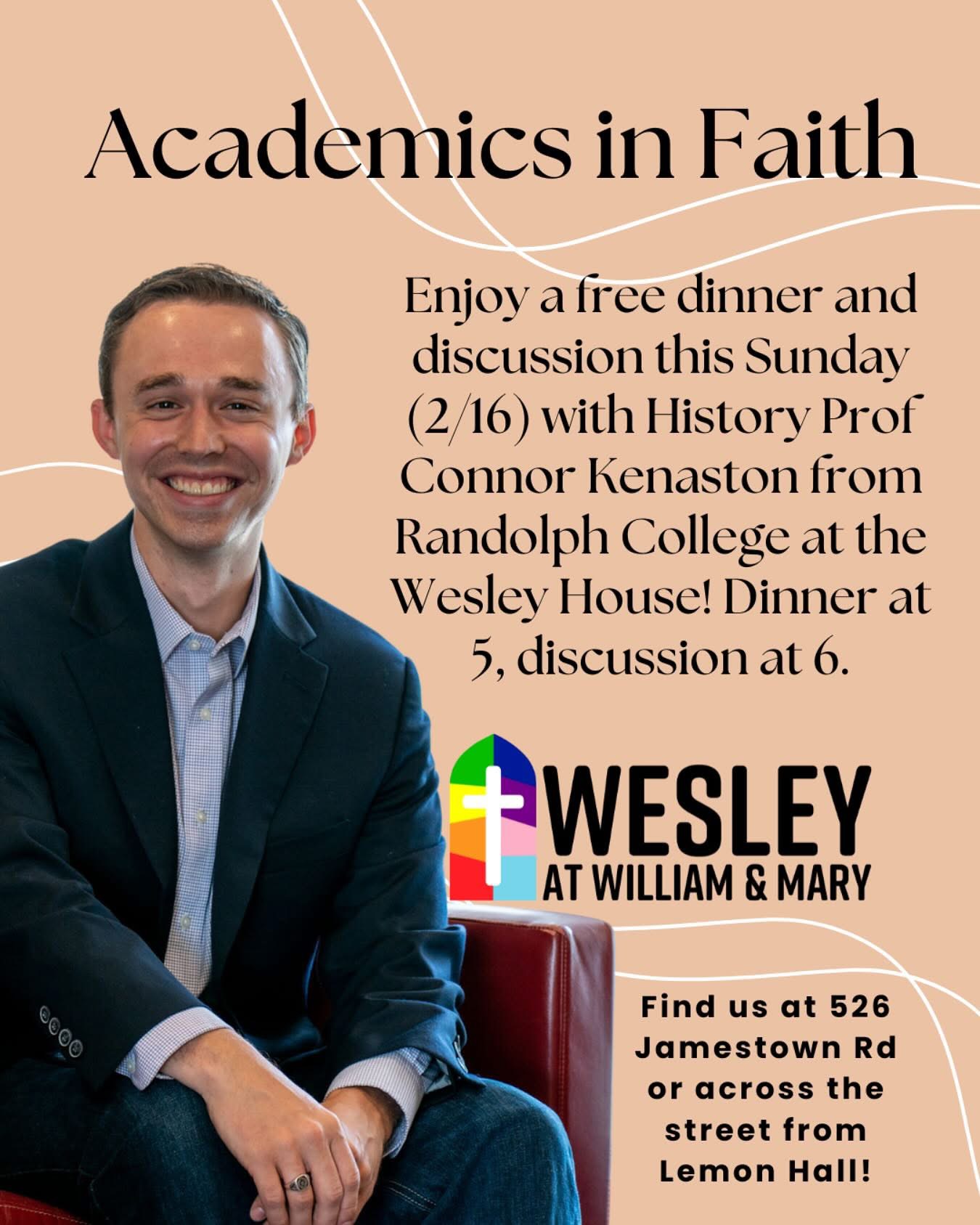
I was recently invited to give a talk about Methodist history and racial justice to the William and Mary Wesley Foundation. While the first half focused on standard denominational history, the second half I focused in on lessons we can draw from the Student Christian Movement, using my Modern American History article. Overall, the experience was a lot of fun, and I’m thankful to Rev. Ryan LaRock for inviting me!
13 Dec 2024
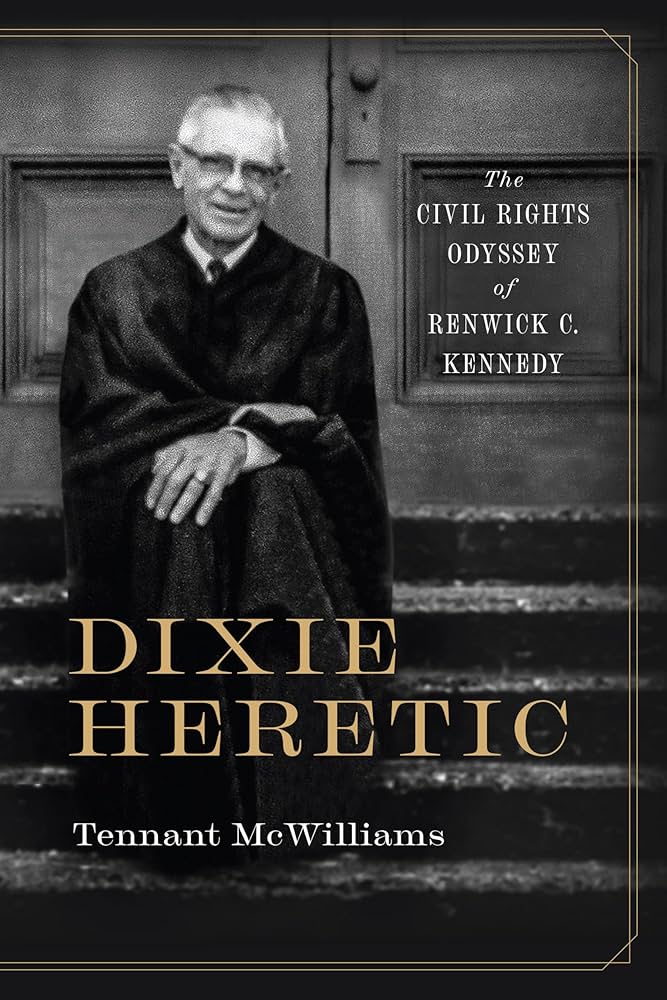
My review of Dixie Heretic: The Civil Rights Odyssey of Renwick C. Kennedy by the late Tennant McWilliams is in the December 2024 issue of the Journal of American History! The book is a deeply researched biography of white Southern minister Renwick Kennedy and his (often unsuccessful) efforts to change his fellow white Christians’ attitudes about race and poverty.
You can read my review here.
08 Apr 2022
My article, “Step by Step: American Interracialism and the Origins of Talk-First Activism” has just been published in Modern American History!
Why are diversity trainings, dialogues, & social justice book clubs often proposed as first steps to creating an equitable society? “Step by Step” suggests that the answer lies in the history of an idea I call “talk-first activism.”
TLDR; in the first half of 20th century, a nationwide movement tries to fight prejudice by facilitating talk across the color line. In the 1940s-1950s, Black staffers in predominantly white Protestant organizations transform that movement through their insistence that talk must lead to action. Cue unintended consequences…
Because “Step by Step” was published by Modern American History as an open access article, you can read the article without a paid subscription! I’d be happy to discuss Step by Step with your classroom or organization.
Thanks to Sarah Phillips and the MAH team for their excellent editorial assistance, as well as to the anonymous reviewers for their helpful critiques. Special thanks to Monica Blair, Allison Kelley, Gillet Rosenblith, and, most of all, Grace Hale for their generous and insightful feedback. And shoutout to the Smith College Library, the University of Minnesota Library, and the University of Virginia’s department of history for their generous financial support of this project!