10 Jun 2026
I recently returned from co-leading a Global Scholars trip to Morocco. It was a great trip!
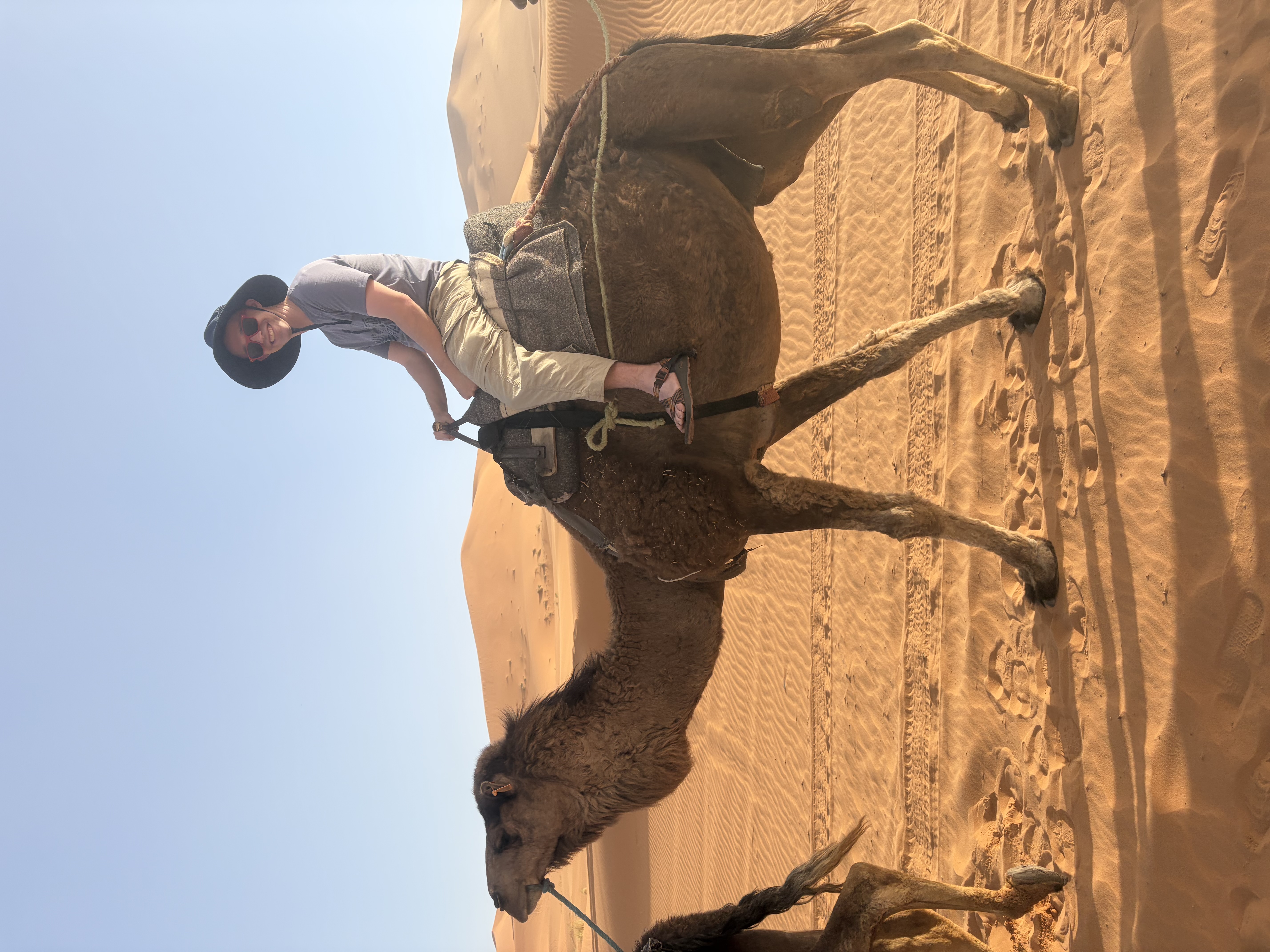
We traveled across much of the country, and I was in awe by the variety of the landscapes, from Atlantic beaches and rocky coasts to the dunes of the Sahara and the snow-peaked Atlas mountains. The lack of humidity made it clear we were no longer in Virginia!
The food was incredible. I really enjoyed eating tagine and traditional bread (especially after watching Michael Pollan’s Cooked on the plane), and I managed to drink mint tea almost every day.
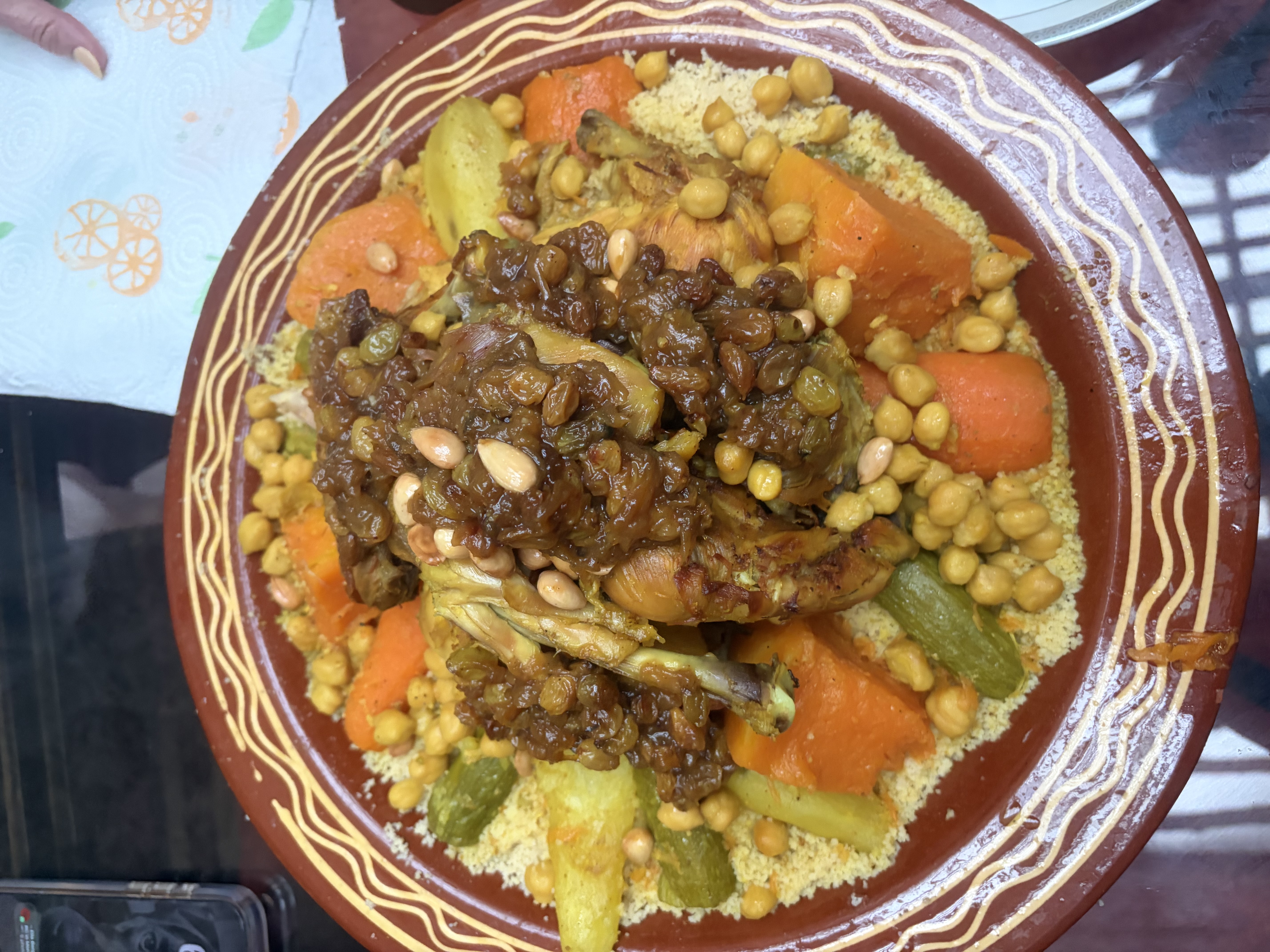
The meal that left the deepest impression on me was the traditional Friday couscous. It was SO good! Typically served communally after Friday prayers, the dish featured steamed vegetables and ridiculously tasty chicken alongside caramelized onions, almonds, raisins, and chickpeas. But what really surprised me was the couscous itself. It was nothing like the flavorless instant couscous I had learned to hate as a child. It reminded me of the first time I had fresh pasta and it blew my mind how much better it was.
As is often the case when I travel, the most meaningful experience was meeting people. I enjoyed the opportunity to get to know our twelve students on the trip. Randolph is truly full of smart and kind students!
Most of all, I was moved by the hospitality of the Moroccans we met. The first time I had couscous, for instance, was in the home of one of our guides. Rather than taking us to a restaurant as planned, he surprised everyone by bringing us to his house, where his family had spent hours lovingly preparing the meal. It was a beautiful (and tasty) surprise, and one that I expect will stick with me for a long time.
01 May 2026
This past spring, I was selected to serve as one of two faculty on the Global Scholars trip to Morocco. While I was not especially familiar with the country’s history and culture, I saw it as an opportunity to expand my teaching in Atlantic history.
My colleague Aaron Shreve and I led six pre-trip orientation sessions on Moroccan history and culture. Preparing for these sessions was challenging, as I had never visited Morocco and had spent relatively little time studying it. To assist me, I relied heavily on longtime Harvard historian Susan Gilson Miller’s A History of Modern Morocco (Cambridge, 2013). I also consulted the Encyclopedia of Africa (Oxford, 2010) and documentaries such as Africa’s Great Civilizations (PBS, 2017) and Lost Kingdoms of Africa (BBC, 2012).
One of my favorite orientation sessions centered on the screening of Casablanca Beats (2021). The Moroccan submission for the Academy Award for Best International Feature Film in 2021, the film hits a lot of very familiar “beats”; it felt like a Moroccan version of Footloose and Dead Poets Society. Yet, the change of setting made it feel fresh. It gave students an opportunity to think about transnationalism and how the experiences of Moroccan college students were both similar to and different from their own experiences at Randolph. It also helped students begin to think more about religion, region, and gender in Morocco. Made by Moroccan filmmakers, the film provided an excellent counterpoint to Hollywood’s standard depictions of Morocco. Throughout our travels (see below!), the group kept coming back to Casablanca Beats.
In addition to talking Moroccan films, history, and politics (and trip/packing logistics), we also spent a lot of time preparing students to think about how they could make the most of the trip. Role playing scenarios was a fun way to get them to do that. In our discussions afterward, I found myself frequently returning to what’s become my personal travel mantra: be present, patient, and flexible – and always look for the good.
18 Jul 2025
This past year, I received support from the Ruth Borker Fund for Women’s Studies to develop a new course on Queer History at Randolph College. Named in honor of a former Randolph professor, the Borker Fund supports faculty efforts to integrate “gender-related perspectives into the curriculum.”
When I first arrived at Randolph, I didn’t anticipate teaching Queer History. But over the past three years, I’ve become convinced that such a course is essential. While I wasn’t formally trained in queer theory or LGBTQ history, I am a social historian committed to centering the experiences of underrepresented groups. In that spirit, I’ve worked to incorporate LGBTQIA+ stories into all of my classes. The student response has been powerful. Many have described this as a “secret” history—one that resonates deeply with their lives and experiences. The need for this course has only grown more urgent amid the current wave of erasure of LGBTQ+ history.
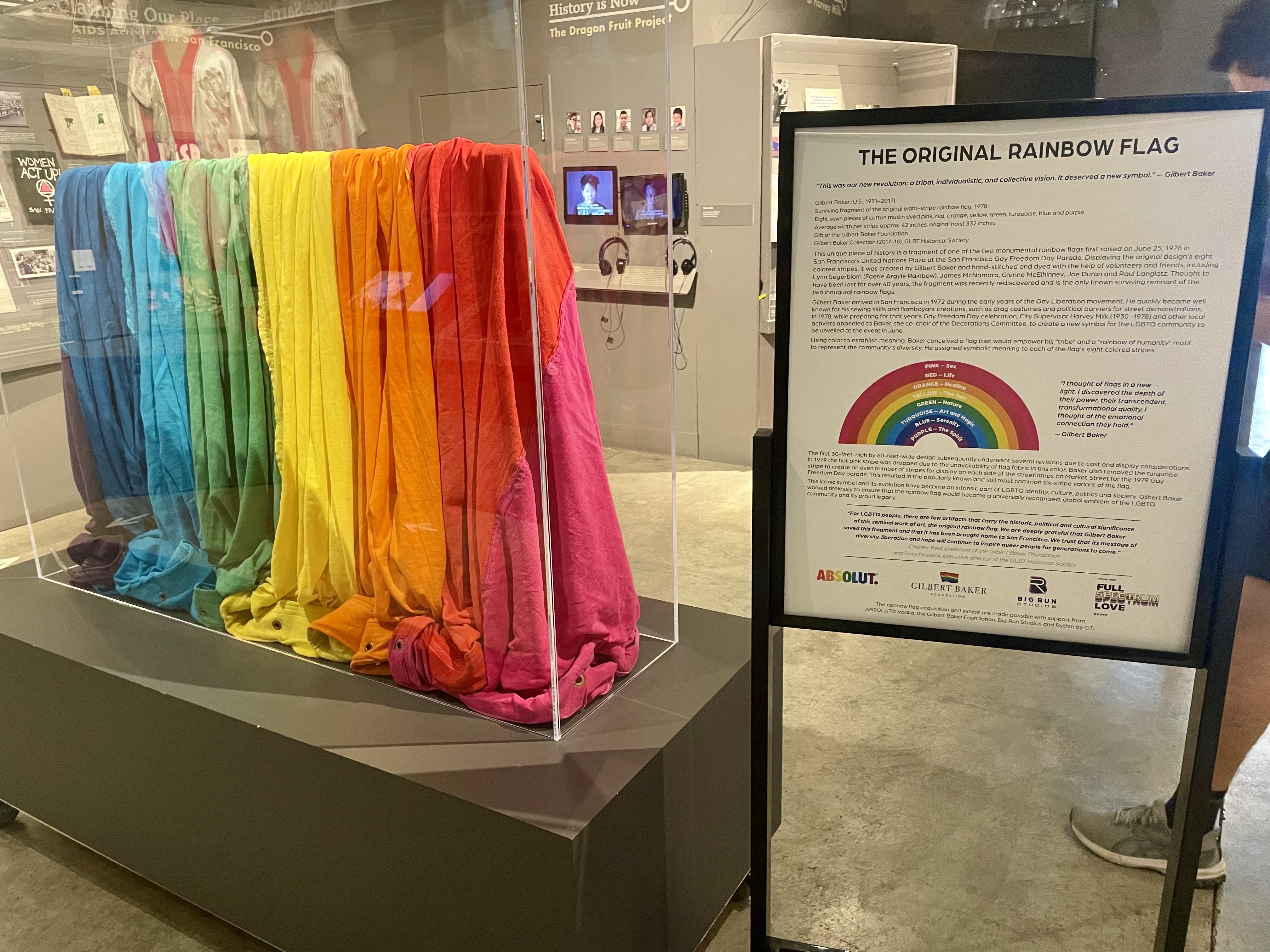
With support from the Borker Fund, I traveled to San Francisco this summer to visit key historical sites. The first day, I visited the Tenderloin neighborhood to check out the Tenderloin Museum, the former site of Compton’s Cafeteria, and Glide Memorial Church. I also traveled to Golden Gate Park to walk through the National AIDS Memorial Grove. I spent the next day in the Castro. I visited the GLBT Historical Society Museum — the first stand-alone LGBTQ history museum in the US - and joined an LGBTQ+ history walking tour. As part of the tour, I visited the Castro Camera, Harvey Milk Plaza, Pink Triangle Memorial, Castro Theatre, and the Rainbow Honor Walk. On my final day, I ferried over to Angel Island State Park, where I was reminded of Margot Canaday’s work on how the federal government policed sexual identity through immigration policy.
The trip helped me think more intentionally about how to frame particular units and introduced new sources and stories - such as the Compton’s Cafeteria Riot - that I plan to incorporate into the syllabus. I’m really looking forward to teaching the course this fall!
15 Jun 2025
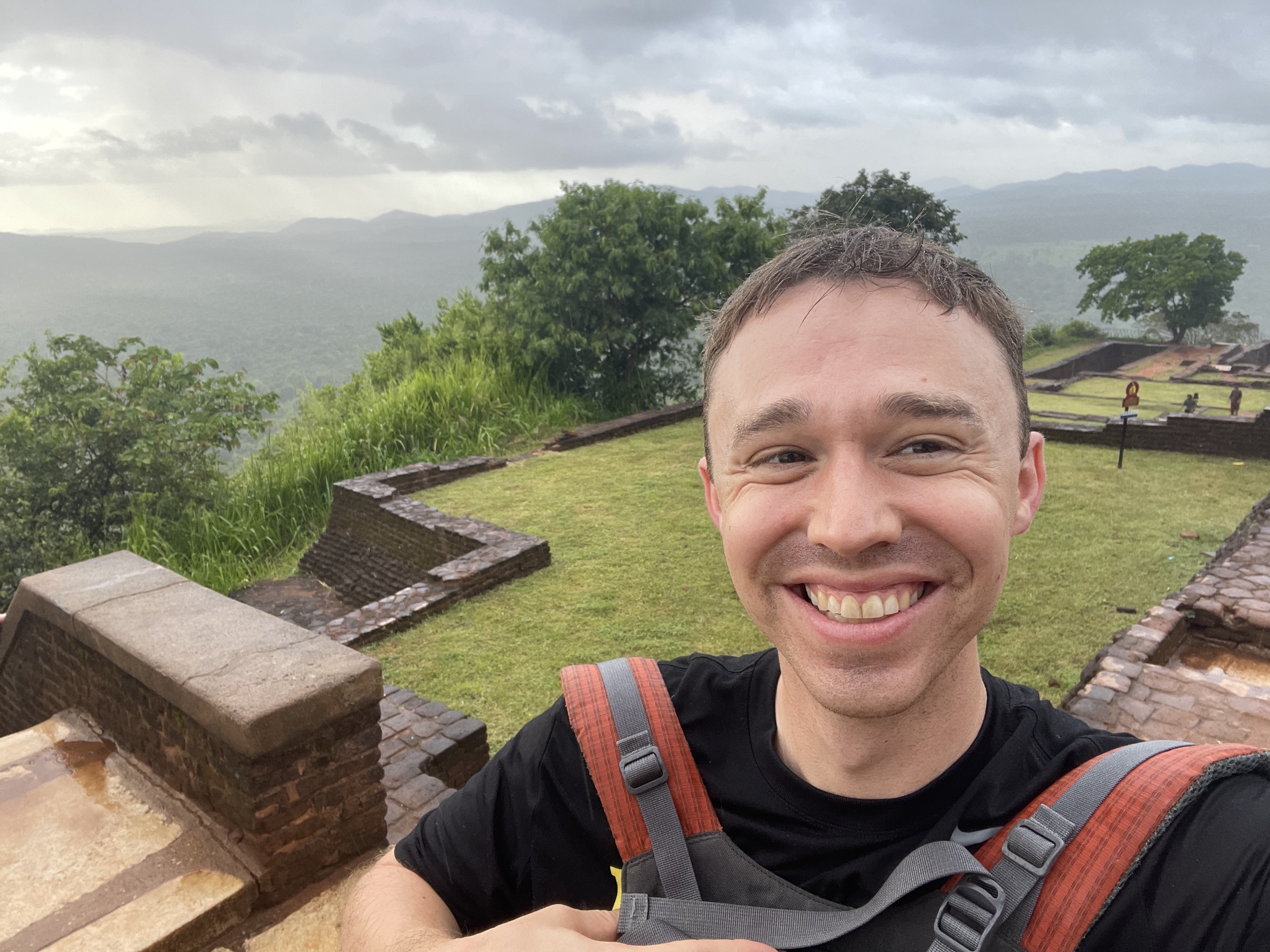
As I mentioned in my last post, this summer I had the tremendous opportunity to travel to Sri Lanka as part of the Quillian International Scholar Study Abroad Seminar. We spent nearly two weeks there, and it was an unforgettable journey.
Some highlights for me included:
08 May 2024
Check out this great new article about my time leading the American Culture Program.
Co-leading the American Culture Program has been a blast! The program is unique to Randolph College and is a great example of what makes Randolph special – small classes, experiential learning, and focused on ideas that matter.
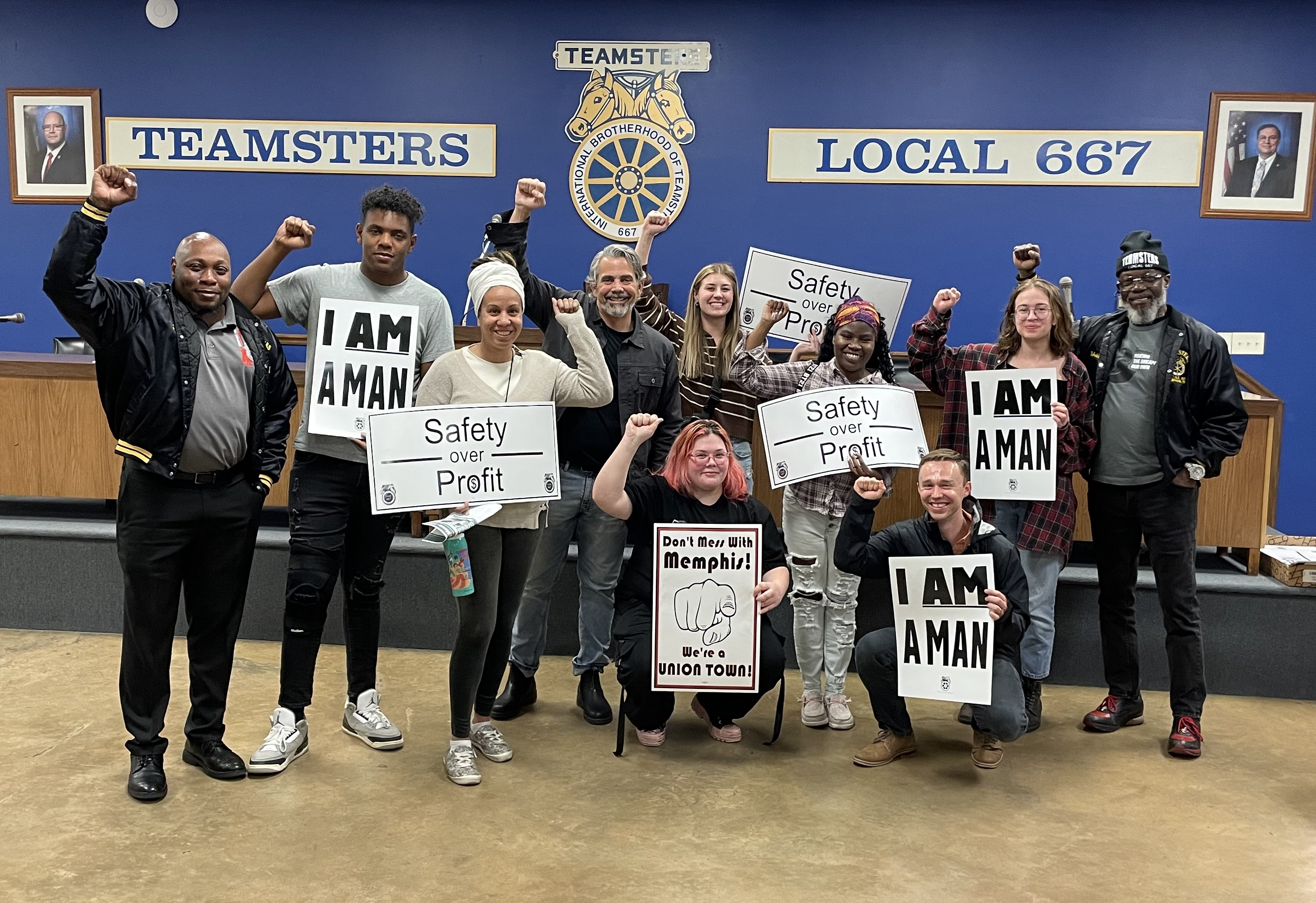
For the last two years, we explored the intersection of labor, leisure, and music in the US. We traveled across town in Lynchburg, as well as to Charlottesville, DC, Knoxville, the Highlander Folk School, Memphis, and Nashville and met some amazing labor organizers, activists, musicians, politicians, scholars, and more! We several thought-provoking films, read some excellent books and articles, and had many lively conversations. The theme, “Working for the Weekend,” provided us all with the opportunity to reflect on what we want from our lives and how we can help make the world we want to live in. But it was also a lot of fun – I often described the American Culture Program as an opportunity to design my own “nerd vacation.”
Huge shoutout to my wonderful colleague Julio Rodriguez, our logistics expert Luisa Carrera, and to two great cohorts of students. And a massive thanks to the MANY people who we met with and learned from over the last two years.
You can listen to our collaboratively-created “Working for the Weekend” spotify playlist, review our 2024 syllabus, or see some more pics from our travels on our Insta.