10 Dec 2025
This fall I was nominated in the Rising Star category for the 2026 State Council of Higher Education for Virginia’s Outstanding Faculty Awards! As part of the nomination process, I had to solicit letters from supervisors, colleagues, students, and community leaders. Several letter-writers graciously shared their letters with me. What a treat! Regardless of whether I’m selected or not, I appreciate having a stash of letters I can turn to next time I’m feeling blue.
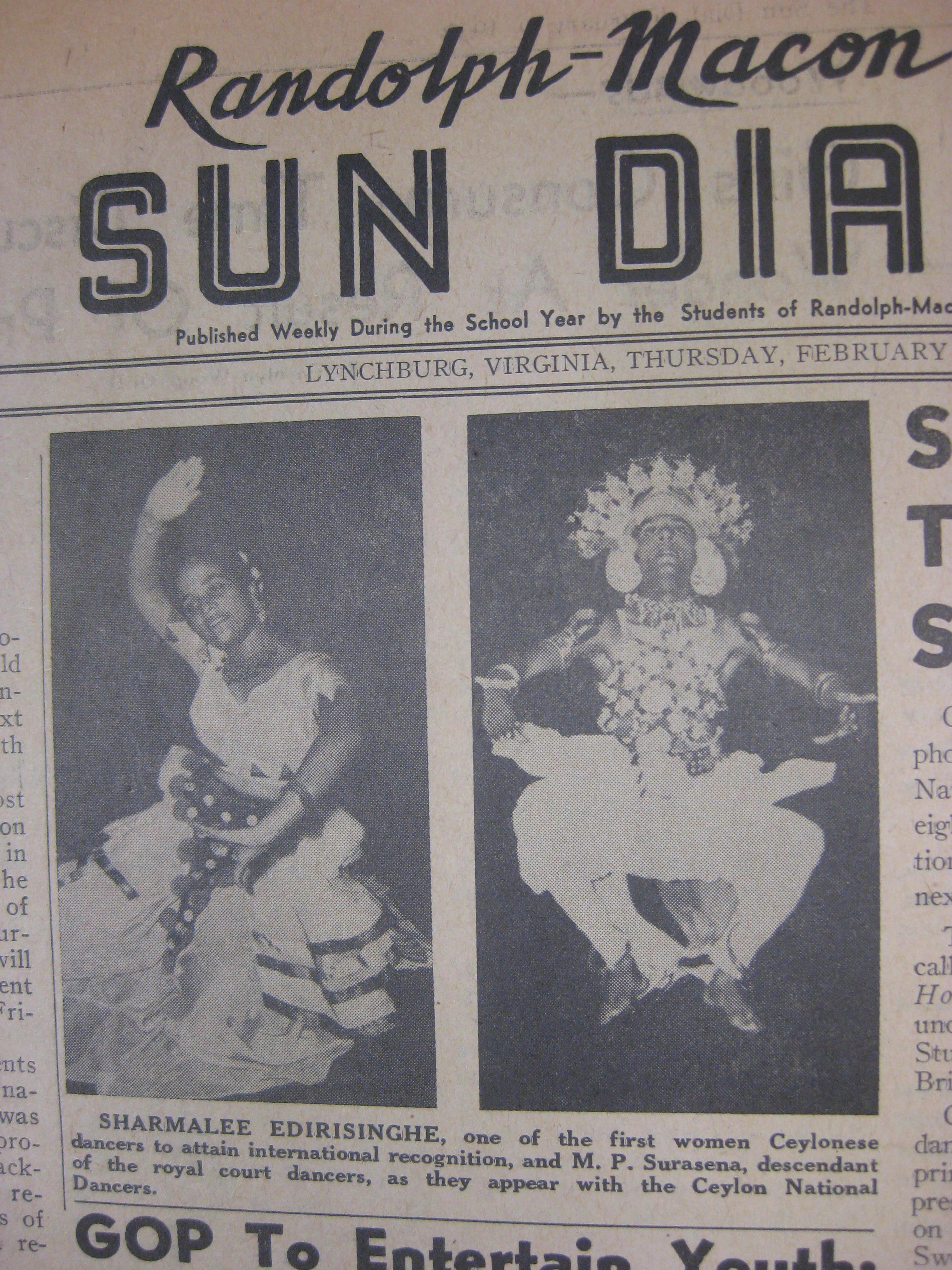
A few months earlier, the image below appeared on the college’s homepage. I was hoping my 15 minutes of fame would be a little cooler, but you take what you can get, I guess!
18 Jul 2025
This past year, I received support from the Ruth Borker Fund for Women’s Studies to develop a new course on Queer History at Randolph College. Named in honor of a former Randolph professor, the Borker Fund supports faculty efforts to integrate “gender-related perspectives into the curriculum.”
When I first arrived at Randolph, I didn’t anticipate teaching Queer History. But over the past three years, I’ve become convinced that such a course is essential. While I wasn’t formally trained in queer theory or LGBTQ history, I am a social historian committed to centering the experiences of underrepresented groups. In that spirit, I’ve worked to incorporate LGBTQIA+ stories into all of my classes. The student response has been powerful. Many have described this as a “secret” history—one that resonates deeply with their lives and experiences. The need for this course has only grown more urgent amid the current wave of erasure of LGBTQ+ history.
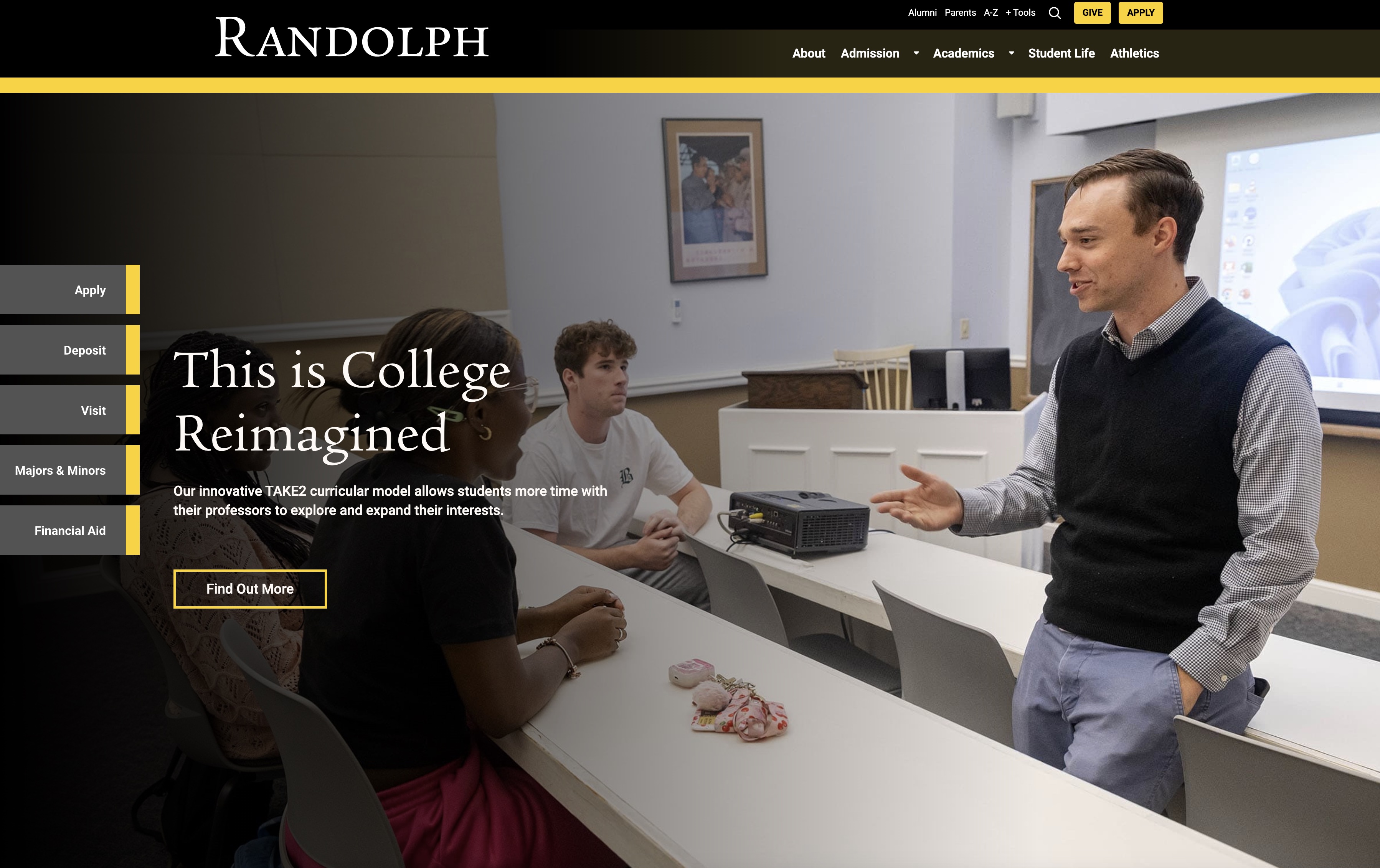
With support from the Borker Fund, I traveled to San Francisco this summer to visit key historical sites. The first day, I visited the Tenderloin neighborhood to check out the Tenderloin Museum, the former site of Compton’s Cafeteria, and Glide Memorial Church. I also traveled to Golden Gate Park to walk through the National AIDS Memorial Grove. I spent the next day in the Castro. I visited the GLBT Historical Society Museum — the first stand-alone LGBTQ history museum in the US - and joined an LGBTQ+ history walking tour. As part of the tour, I visited the Castro Camera, Harvey Milk Plaza, Pink Triangle Memorial, Castro Theatre, and the Rainbow Honor Walk. On my final day, I ferried over to Angel Island State Park, where I was reminded of Margot Canaday’s work on how the federal government policed sexual identity through immigration policy.
The trip helped me think more intentionally about how to frame particular units and introduced new sources and stories - such as the Compton’s Cafeteria Riot - that I plan to incorporate into the syllabus. I’m really looking forward to teaching the course this fall!
15 Jun 2025
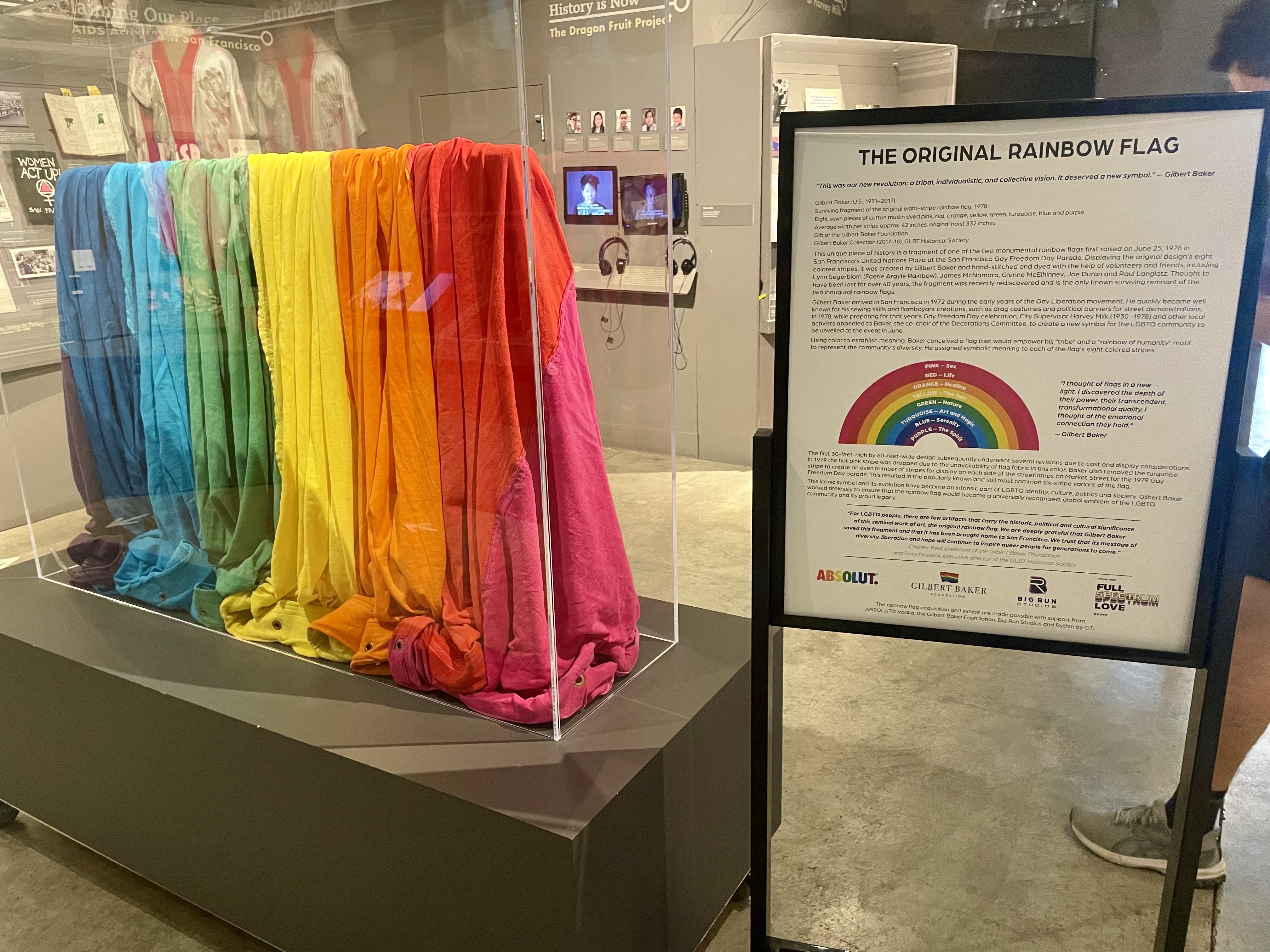
As I mentioned in my last post, this summer I had the tremendous opportunity to travel to Sri Lanka as part of the Quillian International Scholar Study Abroad Seminar. We spent nearly two weeks there, and it was an unforgettable journey.
Some highlights for me included:
15 May 2025
This year, I was honored to be selected for the Quillian International Scholar Study Abroad Seminar in Sri Lanka.
Last year, Randolph hosted Sri Lankan scholar Sudesh Mantillake as our Quillian Visiting International Scholar. I was fortunate to get to know Dr. Mantillake over the course of the year – his office was just down the hall from mine—and I was especially impressed by his performance of Kandyan dance in February, an event attended by the Sri Lankan ambassador.
Throughout the spring, the Randolph delegation followed a rigorous preparation schedule. We attended weekly information sessions on Sri Lankan history, religion, culture, and food, and many of us visited the Sri Lankan Embassy in D.C.
I also used this time to begin researching historical connections between the U.S. and Sri Lanka.
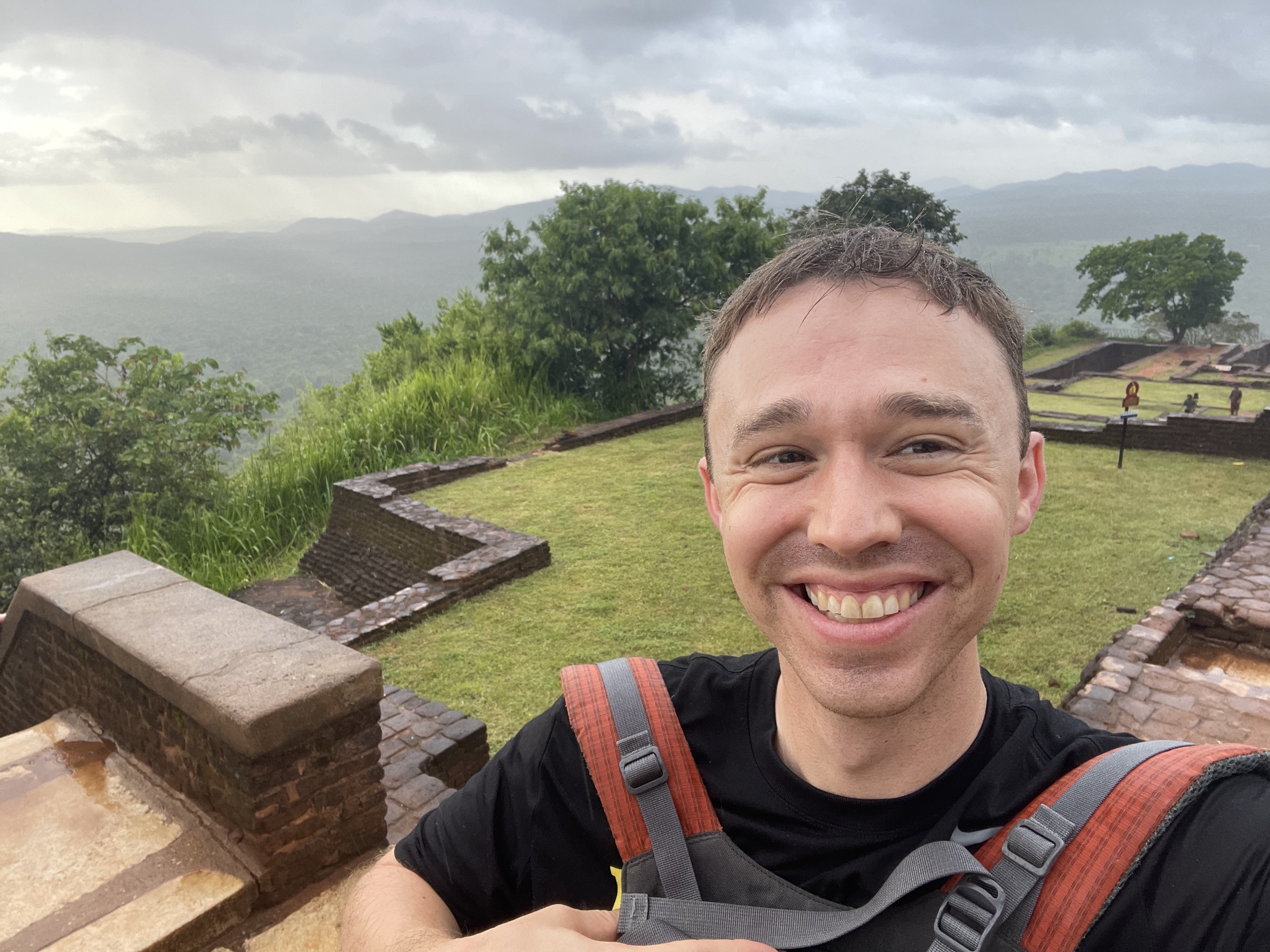
The first thing I discovered was that Sudesh was not the first Sri Lankan to perform Kandyan dance at Randolph! The R-MWC newspaper, The Sun Dial, reported that two members of the Ceylon National Dancers performed here in 1962. When I showed the image to Sudesh, he was blown away—the male dancer had been one of his mentors!
That discovery led me to wonder: Had Sri Lanka played a role in American religious history?
I started by thinking about the 1932 Hocking Report, titled Re-Thinking Missions: A Laymen’s Inquiry After One Hundred Years. I had first encountered it in David Hollinger’s Protestants Abroad, which highlights its pivotal role in reshaping Protestant missions and American Protestantism more broadly.
As a former Global Mission Fellow of the United Methodist Church—here’s my blog and podcast from those years—Hollinger’s arguments made total sense to me. It helped explain why I had such as radically different understanding of “mission” and a “missionary” than did evangelical Christians. In part, it’s because my tradition had been so influenced by the Hocking Report.
I discovered that the Laymen’s committee did indeed travel to Ceylon as part of their research. However, I wasn’t able to find any digitized sources detailing their time there. Ah the joys and challenges of doing social history…
A bit more internet digging led me to Howard Thurman as another possible link between American religious history and Sri Lanka.
I had read Thurman’s Jesus and the Disinherited in grad school and knew how deeply it had been shaped by his 1935 journey to India. During that trip, he met with Gandhi and helped forge a spiritual and intellectual link between Gandhian nonviolence and the American civil rights movement.
I also knew that his papers had been digitized through Boston University’s Howard Thurman Papers Project.
What I quickly discovered was that Thurman didn’t just travel to India—he also spent time in Ceylon (Sri Lanka) and Burma (Myanmar).
As I dug into his journal from his time in Ceylon, I began to see that Sri Lanka played a far more crucial role in shaping his ideas than I had realized.
I presented a paper on this research titled “Transformative Travel: Howard Thurman’s Pilgrimage to Ceylon and the Making of the U.S. Civil Rights Movement.”
Since I don’t anticipate publishing this research formally, I’m sharing the presentation text here.